

A tee can set the whole energy before you say a word. That is why graphic tees vs basics is not really a question of one being better. It is about whether your fit needs a focal point or a clean foundation. The right choice depends on the sneakers, the setting, and how loud you want your look to be.
A graphic tee brings the personality. A basic makes the rest of the outfit hit harder. Both deserve space in a strong rotation.
Graphic Tees vs Basics: The Real Difference
Graphic tees are designed to be seen. Think oversized logo placements, vintage-inspired artwork, racing graphics, music references, bold type, or a washed print with lived-in character. They give an outfit an instant point of view, even when the rest of the fit is simple.
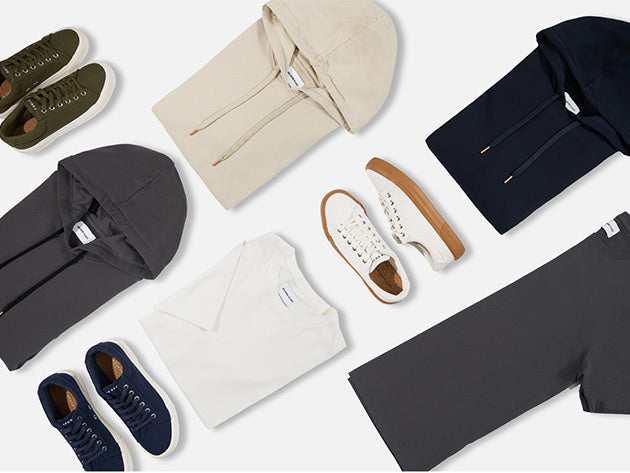
Basics do a different job. A crisp white tee, faded black heavyweight shirt, fitted ribbed tank, or neutral oversized crew is about proportion, texture, and versatility. They let your cargos, denim, jacket, jewelry, or fresh kicks take center stage. A basic can look low-key, but low-key is not the same as forgettable.
The easiest way to think about it: graphics create the message, while basics create the frame. If your outfit already has a lot going on, the frame usually wins. If your outfit feels flat, the message can save it.
When a Graphic Tee Is the Move
Reach for a graphic tee when you want your outfit to feel intentional without building around five separate pieces. It is an easy answer for concert nights, casual hangs, campus days, skate-inspired fits, and any plan where a plain shirt feels a little too safe.
A strong graphic works especially well with simple bottoms. Pair a washed black print tee with loose-fit blue jeans and clean sneakers. Let a bright front graphic sit over black cargos. Wear an oversized tee with biker shorts and a zip hoodie for an off-duty look that still feels styled. The rule is not complicated: if the shirt is doing the talking, keep the rest of the conversation tight.
Fit matters more than the graphic itself. A cool print on a tee that is too long, too tight, or too thin can throw off the whole look. Streetwear-leaning graphics usually land best with a relaxed or oversized cut that has enough weight to hold its shape. For a more fitted look, choose a smaller chest hit or a vintage-style graphic that does not stretch across the torso.
Color also changes the mood. Black and charcoal graphics are easy to repeat because they work with almost everything. Faded tones feel more vintage and relaxed. Bright prints make sense when the rest of your outfit stays neutral. If your sneakers are already loud, matching every color in the graphic to your shoes can look forced. Pick up one accent at most, then let the fit breathe.
The graphic tee mistake to avoid
Do not stack statements just because each item looks good alone. A huge graphic tee, aggressively distressed jeans, loud sneakers, a logo-heavy cap, and oversized chains can compete for attention. Street style should feel collected, not crowded.
If you are wearing a standout graphic, balance it with calmer denim, cargos, shorts, or layers. You can still add accessories, but choose pieces that support the vibe instead of starting a second outfit.
When Basics Win Every Time
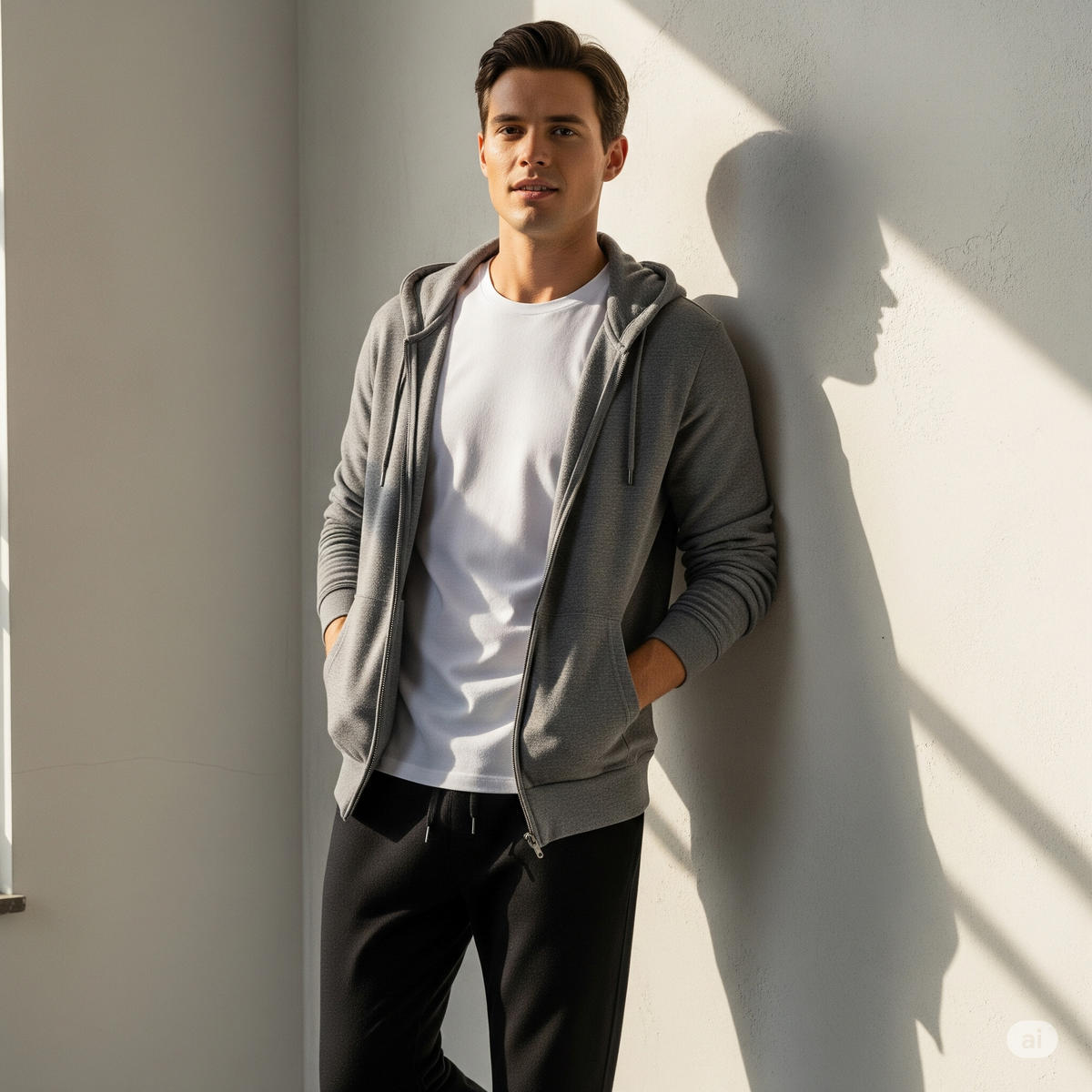
Basics are the pieces you wear when you want maximum styling options. A well-cut neutral tee can move from gym run to coffee stop to late-night plans with a few quick switches. It works tucked into wide-leg pants, layered under an open flannel, worn with sweats, or paired with tailored trousers when you want casual confidence.
They are also the smarter choice when your sneakers are the headline. New pair of statement runners? A clean heavyweight tee, straight-leg denim, and one outer layer gives them room. Same thing with standout pants, patterned shorts, or a bold bag. A basic creates the negative space that makes those items look more expensive and more considered.
Not all basics are actually basic, though. The difference is in the details: fabric weight, collar shape, shoulder drop, sleeve length, and how the shirt falls at the waist. A thin tee with a stretched collar can make an otherwise sharp outfit look unfinished. A structured cotton tee with a clean neckline looks elevated even with relaxed sweatpants.
Build around colors you will really wear. White, black, charcoal, cream, navy, olive, and heather gray cover most rotations. Then add one or two trend-forward neutrals, like faded brown or muted blue, if they work with your closet. The goal is repeat wear, not owning twelve versions of the same shirt that never leave the drawer.
Basics do not have to look plain
Texture is the cheat code. A washed finish, boxy heavyweight fit, cropped hem, rib knit, or slightly oversized sleeve changes the look without adding a graphic. Layering helps too. A plain tee under an unbuttoned overshirt, varsity jacket, or lightweight zip-up can feel just as styled as a print-heavy fit.
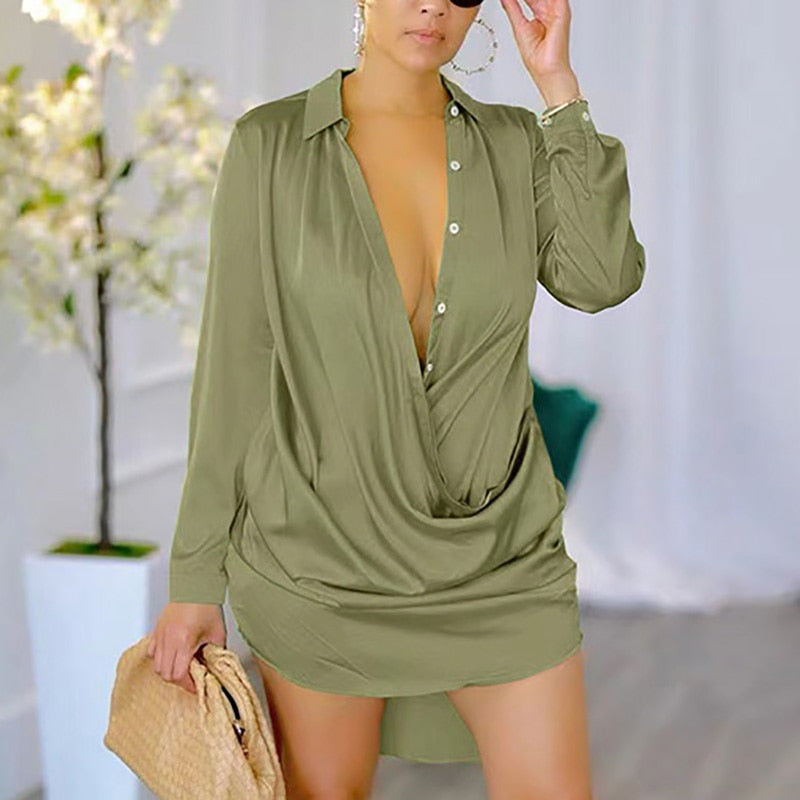
For women, a fitted neutral baby tee with baggy jeans creates an easy contrast. For men, a boxy heavyweight tee with relaxed trousers gives a clean streetwear shape. These are not hard rules. The best silhouette is the one that makes you feel like yourself, not like you copied a look frame by frame.
Build a Rotation That Does Both
The best closet is not all graphics or all basics. It has enough essentials to make getting dressed easy and enough statement pieces to keep your looks from going stale.
Start with the outfits you wear most. If you live in cargos, denim, shorts, and sneakers, your basics should do most of the work. A rotation of reliable neutral tees lets you wear your favorite bottoms more often without the fit looking repeated. Then bring in graphic tees for days when you want a different energy with minimal effort.
If your personal style already leans expressive, you may own more graphics, and that is fine. Just make sure each one fills a different lane. One washed vintage-style tee, one bold color graphic, one minimal logo tee, and one oversized statement print will go further than four shirts with nearly identical front designs.
Think about the setting, too. A basic tee is usually more flexible for work-adjacent plans, casual dinners, travel days, and anything that calls for polished comfort. A graphic tee is better when the occasion is social, creative, music-driven, or built around being out and seen. Neither is locked to one scene, but knowing the default makes outfit decisions faster.
Fashion NetClub style is about keeping the rotation current, not filling it with random pieces. Choose tees that connect to the way you actually dress: your go-to sneakers, your preferred fit, your weekend plans, and the layers you reach for when the temperature drops.
How to Style Each Without Overthinking It
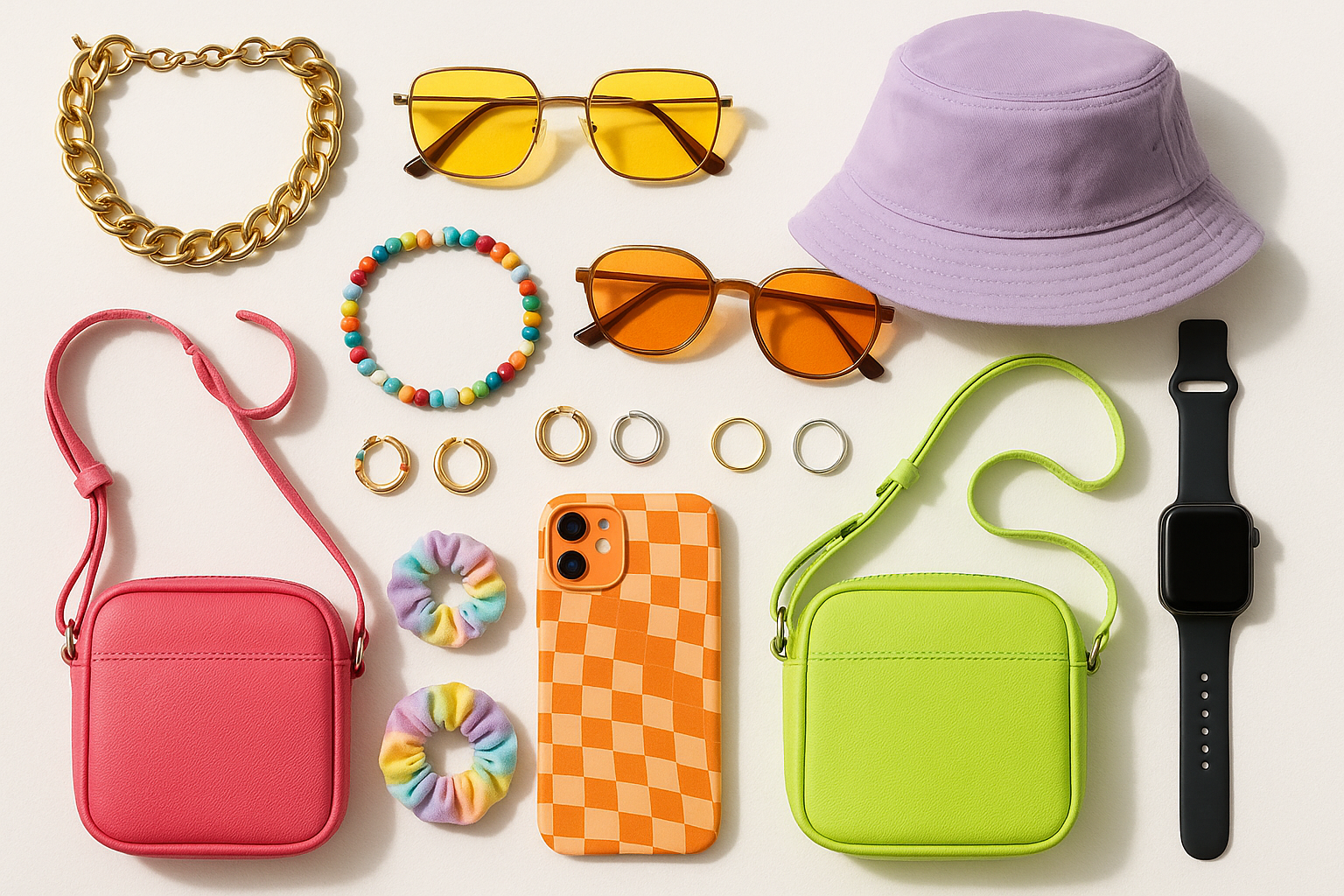
For a graphic tee, start with the shirt and reduce everything else. Wear it with dark washed jeans, neutral cargos, or easy shorts. Add sneakers that match the overall mood instead of chasing every color in the print. A clean cap, watch, or simple chain is enough if you want an extra detail.
For a basic tee, begin with shape. A fitted tee looks great against looser jeans or wide-leg pants. An oversized tee works with straight denim, parachute pants, bike shorts, or a slimmer bottom that balances the volume. Add one elevated piece, such as a jacket, standout sneakers, structured bag, or layered jewelry, and the outfit is ready.
The strongest fits usually have one clear idea. Maybe it is the tee. Maybe it is the shoes. Maybe it is the silhouette. Once you know the focal point, every other piece gets easier to choose.
Your rotation does not need more noise. It needs the right options for the version of you walking out the door. Keep a few graphics for the days you want to make the entrance, and keep your basics close for every look that gets better with a clean foundation.
0 comments