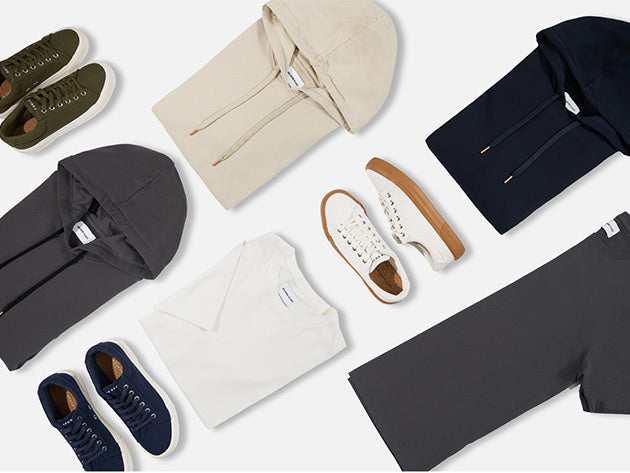
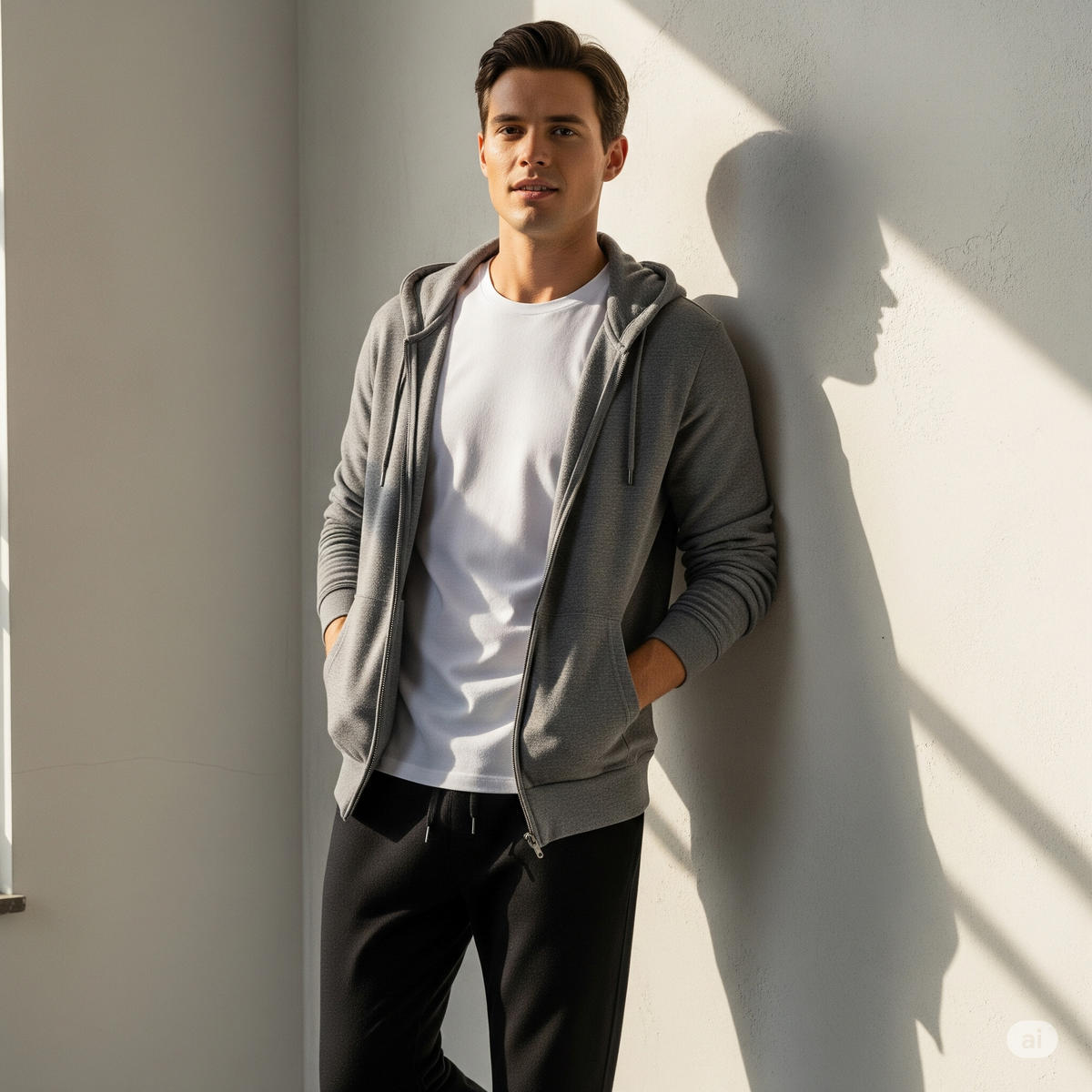
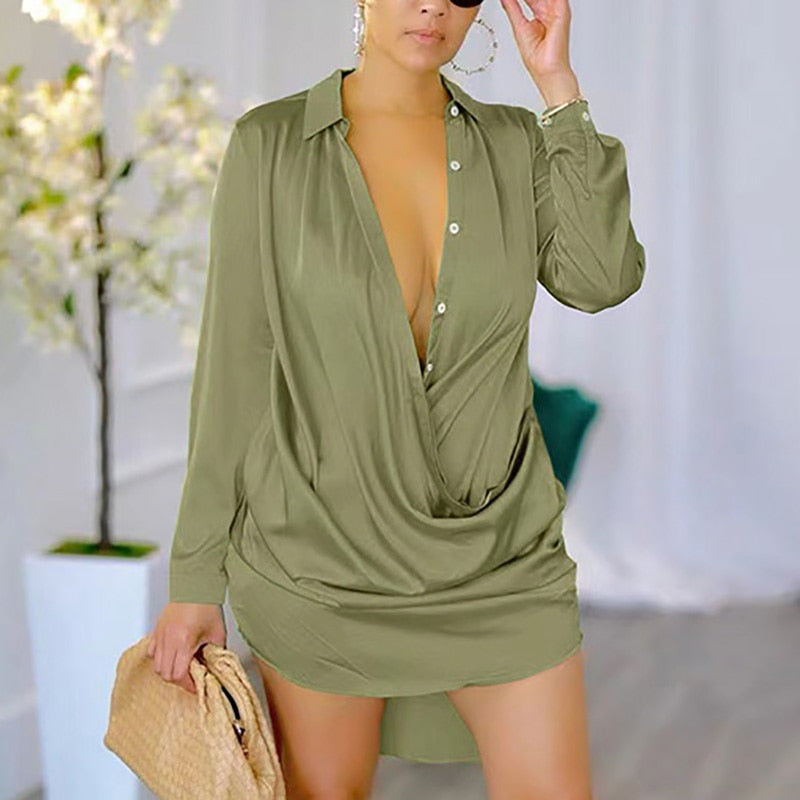


You can spot urban fashion style before anyone says a word. It is the oversized hoodie that still looks intentional, the sneakers that carry the whole fit, the cargo pants with a clean cropped tee, the varsity jacket over a simple set that somehow feels fully styled. If you have ever asked what is urban fashion style, the short answer is this: it is a city-born way of dressing built on self-expression, comfort, movement, and cultural awareness.
But that answer is only the surface. Urban fashion is not just "casual clothes" or whatever is trending on social media this week. It comes from real style ecosystems - streetwear, hip-hop, skate culture, sportswear, sneaker culture, club style, and neighborhood identity. It changes fast, but the core stays the same: the look has to feel lived-in, current, and personal.
What is urban fashion style in real terms?
Urban fashion style is a modern, street-influenced way of dressing that mixes comfort with edge. It usually pulls from athletic wear, utility details, denim, statement outerwear, graphic pieces, sneakers, and accessories that add attitude without looking overworked.
The reason it stays relevant is simple. It fits real life. You can wear urban fashion to class, a day out, a casual office, a late dinner, or a night that starts low-key and ends somewhere louder. It moves with you. That flexibility is a huge part of the appeal, especially if your style has to keep up with different versions of your day.
It is also one of the few fashion categories where individuality matters more than strict rules. Two people can wear the same cargo pants and white sneakers, and one might style them with a baby tee and cropped bomber while the other goes with a heavyweight hoodie and layered chains. Both can still read as urban because the vibe is in the styling, proportions, and confidence.
Where urban fashion style comes from
Urban fashion did not appear out of nowhere, and it definitely was not invented by trend boards. Its roots are tied to city culture - especially Black culture, hip-hop, basketball, skate scenes, graffiti influence, clubwear, and local style movements that turned everyday clothing into identity.
That is why urban style always carries more energy than a basic casual fit. There is history in the silhouettes, from baggier denim and tracksuits to logo-heavy pieces and collectible sneakers. There is also attitude in the mix. Urban fashion often says, "I know what I like," not, "I got dressed to follow every rule."
Over time, luxury brands, fast fashion retailers, athletes, musicians, and creators all pulled from the same style language. That made urban fashion more mainstream, but it also blurred the definition. Now people use "urban" to describe everything from activewear sets to oversized streetwear. The better way to understand it is by the styling code behind it, not just by one item.
The pieces that define the look
Urban fashion style usually starts with strong basics, then builds through shape and detail. Oversized hoodies, graphic tees, joggers, cargos, baggy jeans, denim jackets, bombers, puffer coats, matching sets, fitted tanks, crop tops, and sneakers all show up again and again.
Footwear matters more than people think. In a lot of urban looks, the shoes are not an afterthought - they are the anchor. Clean white sneakers make an outfit feel sharp. Chunky sneakers push it more trend-forward. Retro basketball silhouettes bring in sports heritage. Boots can toughen the whole look in one move.
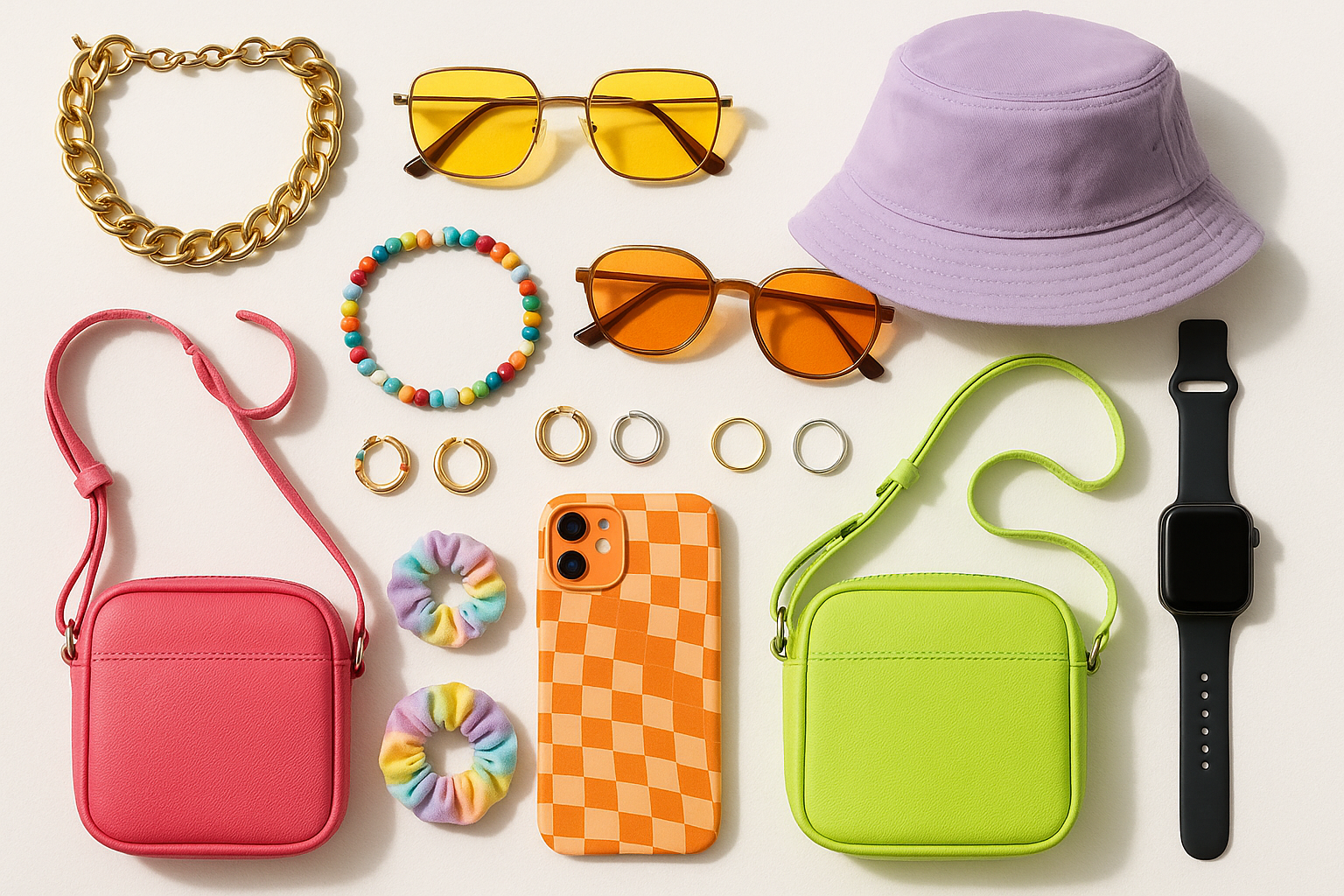
Accessories do real work too. Crossbody bags, stacked jewelry, caps, beanies, sporty sunglasses, hoops, and statement socks help turn clothes into a full look. The trick is balance. If every piece is screaming, the outfit can start to feel costume-like. Urban style looks best when one or two elements lead and the rest support.
Fit and proportion matter more than labels
A big reason some urban outfits look effortless and others look forced comes down to proportion. Urban fashion is less about buying the "right" brand and more about knowing how pieces sit on the body.
Loose with fitted usually works. Think oversized hoodie with biker shorts, baggy cargos with a cropped top, wide-leg denim with a fitted tank, or a boxy jacket over a streamlined set. Wearing everything oversized can work too, but only if the layers feel intentional instead of random.
This is also where personal style comes in. Some people lean cleaner and more minimal, with neutral colors and sharper silhouettes. Others want louder graphics, brighter colors, stacked layers, and more visible trend energy. Both can fit under urban fashion style. It depends on whether you want your look to read polished, sporty, edgy, or club-ready.
What makes urban fashion different from streetwear?
People mix these up all the time, and fair enough - they overlap a lot. Streetwear is a major influence on urban fashion, but the two are not exactly the same.
Streetwear usually points more directly to graphic-led pieces, hype culture, brand drops, sneakers, skate influence, and limited-edition energy. Urban fashion is broader. It can include streetwear, but it also pulls in activewear, nightlife style, utility dressing, denim trends, and everyday essentials styled with more edge.
So if streetwear is one lane, urban fashion is the whole traffic pattern. You do not need a rare sneaker drop or a heavy logo hoodie to dress urban. Sometimes a matching set, fresh kicks, and the right outerwear say it just as clearly.
How to wear urban fashion style without looking like you tried too hard
The easiest mistake is over-styling. If you stack every trend into one outfit - extra-baggy pants, bold graphics, loud sneakers, chains, sunglasses, and a statement jacket - the fit can lose all its cool. Urban fashion works best when it feels natural, not overly assembled.
Start with one clear mood. Maybe it is sporty. Maybe it is utility-driven. Maybe it is clean and minimal with a streetwear edge. Build from there. A pair of cargos and a fitted tee already gives you direction. Add sneakers and a cropped jacket, and the look is set. You do not need five more things fighting for attention.
Color matters too. Neutrals like black, gray, cream, olive, and denim blue make urban styling easier because they let shape and texture stand out. If you want more energy, add one accent color - red, cobalt, lime, pink, or metallic silver can hit hard when the rest of the look stays grounded.
There is also a difference between trend-aware and trend-chasing. Trend-aware means you update your silhouette, shoes, or layering to keep things current. Trend-chasing means the outfit wears you. The better move is to keep a foundation of essentials, then rotate in new pieces that actually match your style.
What is urban fashion style for women and men today?
Right now, women’s urban fashion is playing with contrast. You see oversized jackets with fitted dresses, parachute pants with baby tees, matching active sets with bold sneakers, and relaxed denim with sleek bodysuits. There is a lot of tension between laid-back and body-conscious, and that contrast gives the look its edge.
For men, the lane stays heavy on elevated basics. Boxy tees, relaxed denim, cargos, varsity jackets, nylon sets, hoodies, and standout sneakers still lead. The difference now is that the styling looks cleaner. Less clutter, better fit, stronger color control.
For everyone, versatility is the new flex. One outfit needs to work across content, errands, hangouts, and nightlife. That is why urban fashion keeps pulling in pieces from activewear, essentials, and clubwear. A look that can shift with your day just makes sense.
Why urban fashion style keeps winning
Urban fashion style stays strong because it reflects how people actually live and dress now. Most shoppers do not want separate identities for casual, social, active, and going-out style. They want clothes that can cross over. They want looks that feel current without feeling stiff.
That is also why curated shopping matters. A good edit saves time and cuts through trend overload. Brands like Fashion NetClub speak to that mindset by keeping the focus on what is new, wearable, and actually in the style conversation right now.
If you are figuring out your own version of urban fashion, do not start by copying a full look off your feed. Start with the pieces you naturally reach for, then sharpen them. Upgrade the sneaker game. Try looser denim. Add a bomber, cargos, or a matching set. Pay attention to fit. Keep what feels like you, and drop what feels performative.
The best urban style never looks borrowed for the day. It looks like you know exactly who you are, and your outfit got there first.
0 comments