

That first Pilates class can make you weirdly aware of every seam, strap, and waistband in your closet. If you’re wondering what to wear for pilates, the short answer is this: go for fitted, flexible pieces that move with you, stay put, and do not distract you mid-class. Pilates is all about control, alignment, and precision, so your outfit needs to keep up without slipping, bunching, or cutting in.
The good news is you do not need some hyper-specific studio uniform. You just need the right balance of comfort, support, and clean movement. Think activewear that feels second-skin, not oversized gym gear that gets in the way the second your instructor starts cueing your form.
What to wear for pilates depends on the class
Not every Pilates class hits the same. A slow mat session, a heated class, and a reformer workout all ask a little something different from your outfit. That is why the best answer to what to wear for pilates always starts with where you are going and how you like to move.
For mat Pilates, fitted leggings or bike shorts and a close-to-body tank, sports bra, or fitted long sleeve usually work best. You will be on the floor a lot, moving through rolls, bridges, planks, and side-lying work. Extra fabric can twist around you or ride up when you least want it to.
For reformer Pilates, streamlined is even more important. Instructors need to see your alignment, and loose pants can catch on equipment or bunch around straps and springs. A clean, body-skimming fit is not just flattering - it is practical.
For heated or high-sweat Pilates, lightweight and moisture-wicking matters more than anything. Cotton can feel fine for ten minutes, then turn heavy fast. If you know you run hot, choose breathable fabrics and keep layers easy.
Start with bottoms that stay put
If there is one piece worth getting right, it is your bottoms. Pilates includes a lot of bending, curling, extending, and lifting, so anything that slides down or digs in will get annoying fast.
High-waisted leggings are the easy win. They smooth, support, and tend to stay in place through core work and transitions. Full-length leggings are great for cooler studios or if you like a little more coverage. Seven-eighths styles are a favorite too because they feel sleek without pooling at the ankle.
Bike shorts work well if you like less fabric or take warmer classes. Just make sure they have enough compression to stay put. Super-short shorts can ride up during leg work, and that gets old fast.
Flared yoga pants can look good, but they are not always the best Pilates move. On a reformer, extra fabric around the ankle can be distracting. On a mat, it is less of an issue, but fitted is still usually better. Pilates is one of those workouts where a clean silhouette actually helps because you can move without adjusting your outfit every five minutes.
The waistband matters too. Too tight, and you will feel it every time you fold, twist, or engage your core. Too loose, and you will be yanking them up between sets. Look for soft compression, not squeeze-you-to-death compression.
Tops should feel secure, not fussy
The best Pilates tops are simple. A fitted tank, a cropped active top, or a supportive sports bra under a light layer usually does the job. You want enough support to feel locked in, but not so much structure that you feel restricted when your shoulders and ribs need to move freely.
For lower-impact mat classes, a light- to medium-support sports bra is usually enough for most people. If you feel better with more coverage, throw on a fitted tank over it. For reformer classes, tops that stay close to the body make more sense than oversized tees, especially when you are lying back, going inverted, or working through spring resistance.
Baggy T-shirts are fine if that is your comfort zone, but they can shift a lot. They also make it harder for instructors to check form. If you love a relaxed top, try one with a more cropped or fitted shape instead of full oversized.
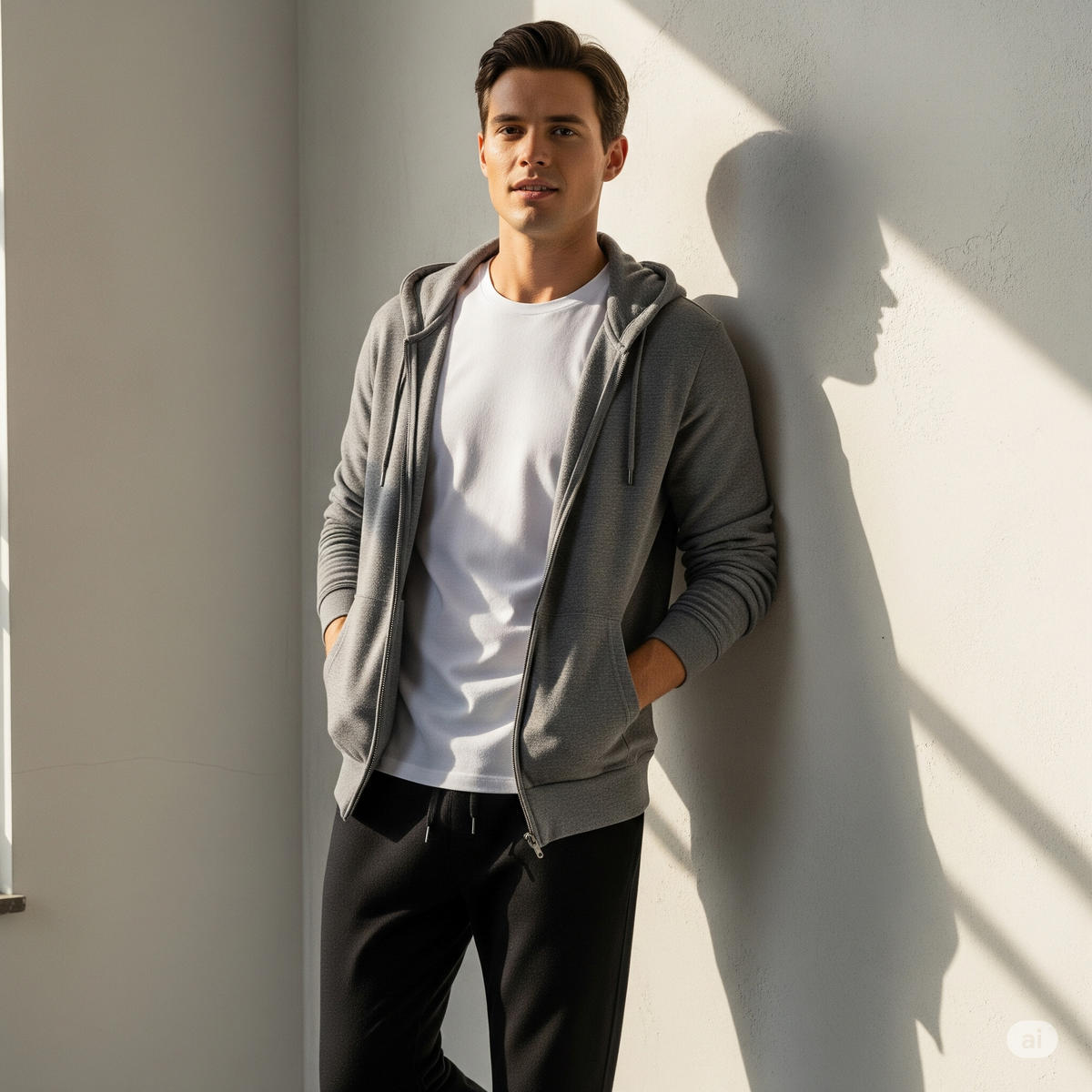
Long sleeves can work in colder studios, but keep them stretchy and slim. This is not the moment for bulky layers. If you want a throw-on piece before and after class, save the hoodie or zip-up for your commute, not the workout itself.
Fabric can make or break the fit
A cute set is great. A cute set that traps sweat, goes sheer, or loses shape after one class is not. Pilates outfits need fabric with stretch, recovery, and breathability.
Nylon-spandex and polyester-spandex blends are usually your best bet. They move well, dry faster, and hold their shape better than basic cotton. Ribbed textures can look elevated and feel supportive, but make sure they still have enough flexibility for full range of motion.
Opacity matters more than people admit. Pilates includes plenty of positions where your fabric gets tested, especially in squats, bridges, and leg raises. If you have to wonder whether your leggings are see-through, that is your answer.
Seams matter too. Flat seams and smooth waistbands usually feel better during mat work, especially when you are rolling through your spine or lying on your back for long stretches. Tiny design details can be the difference between focused and irritated.
Do you need grip socks for Pilates?
Usually, yes - especially for reformer Pilates. Grip socks help with traction, stability, and hygiene, and a lot of studios require them. If you show up without them, you may end up buying a pair at the front desk anyway.
For mat Pilates, the answer depends on the studio and your preference. Some people go barefoot. Others like grip socks for extra stability, especially on slick floors or if they tend to slide in planks and standing work.
This is one area where function beats aesthetics, but luckily grip socks are not hard to find in styles that still feel pulled together. Think of them as part of the outfit, not an afterthought.
What not to wear for pilates
A lot of this comes down to avoiding distractions. The wrong outfit is not always dramatic. More often, it is just annoying.
Skip anything overly loose, stiff, or complicated. That includes oversized sweatpants, bulky hoodies, denim-adjacent stretch pieces, and tops with straps you constantly have to fix. Avoid zippers, hardware, or anything uncomfortable to lie on. Pilates puts you in direct contact with the mat or machine, so details that are fine for everyday wear can suddenly feel terrible.
You will also want to think twice about heavily padded bras, slippery low-rise leggings, or fashion-first activewear that looks good standing still but fails once you start moving. If your outfit only works for the mirror selfie, it is probably not the one.
Style still matters - just keep it studio-smart
Pilates style has its own lane right now, and yes, it is having a moment. Matching sets, clean neutrals, soft pastels, and sculpted silhouettes all look right at home in the studio. But the best Pilates fit is not just trend-aware. It is wearable.
That means choosing colors and cuts you actually feel good in, then making sure performance backs it up. A matching set in black, slate, cocoa, olive, or espresso always looks polished. Bright colors can hit too, especially if that is more your energy. Just make sure the fit is doing the real work.
This is where a brand like Fashion NetClub gets the vibe right when activewear leans sleek, current, and ready to move. Pilates style should feel elevated, not overdressed. Clean lines win.
How to build a Pilates outfit that actually works
If you want the easiest formula, start with high-waisted leggings or bike shorts, add a fitted sports bra or tank, then finish with grip socks. Bring a light layer for before and after class, especially if you are heading from the studio to coffee, errands, or the rest of your day.
If you are between sizes, think about how you want the outfit to feel. Some people like more compression for support. Others want a softer, barely-there fit. Neither is wrong. The best choice is the one that lets you focus on the class instead of your clothes.
And if you are shopping for your first Pilates look, do not overbuy. You do not need five matching sets before your first reformer session. Start with one or two outfits that fit well, wash well, and make you feel confident walking in.
The real answer to what to wear for pilates
The real answer to what to wear for pilates is whatever helps you move cleanly, feel supported, and stay out of your own way. That usually means fitted activewear, breathable fabric, and socks with grip if the class calls for them. Trend matters, but comfort and function matter more.
When your outfit is right, you stop thinking about it. You can lock into your form, catch the cue, and actually enjoy the class instead of adjusting your waistband during every set. That is the sweet spot - studio-ready, style-aware, and built to move with you.
0 comments