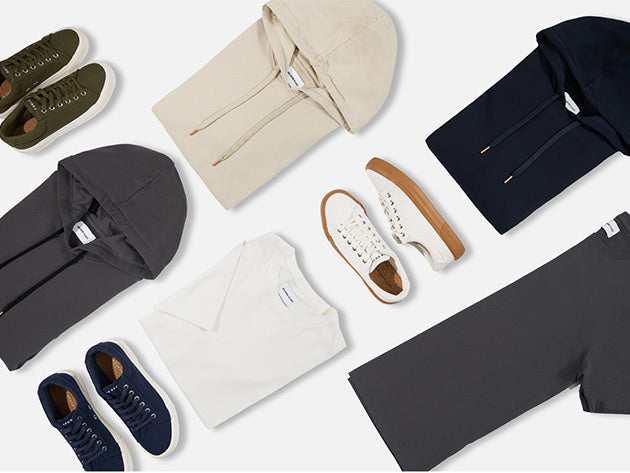
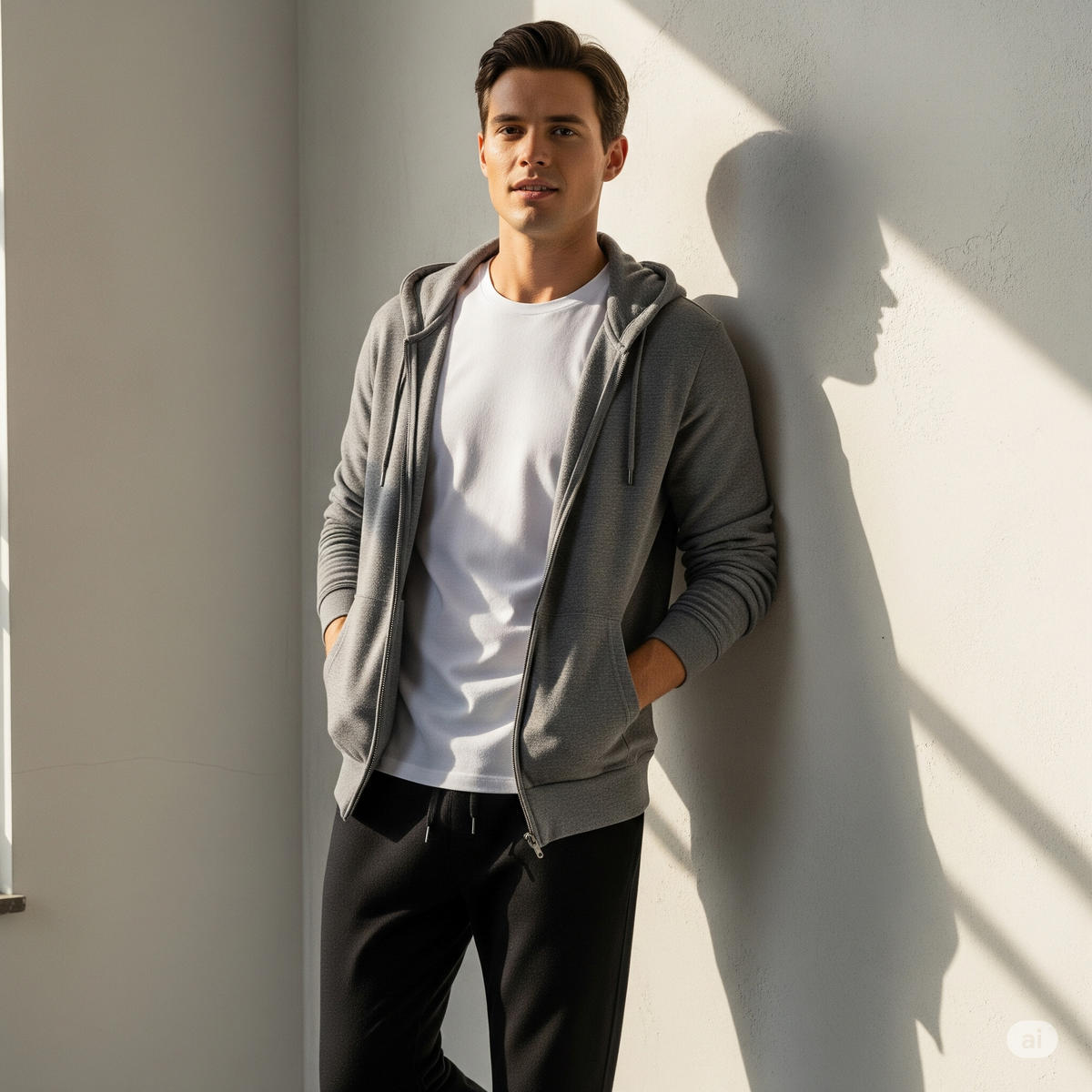
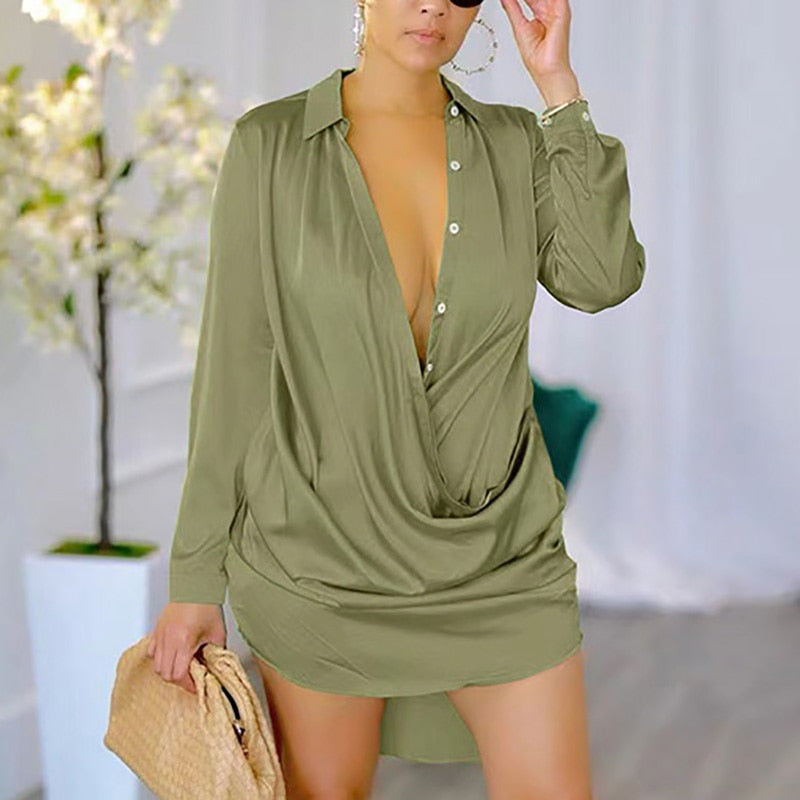


One bad hoodie can throw off the whole fit. Not because hoodies stopped hitting, but because streetwear fashion is all about context - shape, styling, attitude, and timing. The difference between looking current and looking stuck in an old era usually comes down to a few smart choices.
Streetwear never stays still for long. What started with roots in skate, hip-hop, sneaker culture, and graphic-heavy self-expression now pulls from activewear, workwear, club style, elevated basics, and even lounge. That mix is exactly why it still matters. It lets you build a look that feels personal without looking random.
What streetwear fashion looks like right now
The current streetwear fashion mood is less about wearing the loudest piece in the room and more about getting the full rotation right. Oversized still matters, but proportion matters more. A roomy hoodie with cleaner pants feels sharper than an oversized top with baggy bottoms that swallow the whole silhouette.
That shift is big. Streetwear is moving away from pure logo flex and leaning harder into styling. You still see graphics, statement sneakers, stacked layers, varsity references, cargos, and washed textures, but they work best when the outfit feels intentional. A heavy print tee can carry a fit, but only if the rest of the look gives it space.
The easiest way to read what is current is to watch the categories that keep crossing over. Activewear is no longer locked to the gym. Track jackets, fitted tops, bike shorts, and technical fabrics all blend into street fits. Basics are doing more too. A clean tank, wide-leg jogger, and standout sneaker can feel more fashion-forward than a crowded outfit trying too hard.
The pieces that build a real rotation
A strong streetwear closet does not need to be huge. It needs range. The best rotations usually balance statement items with easy anchors, so getting dressed feels fast instead of forced.
Tops that do the work
Graphic tees are still essential, but the fit decides everything. Boxy cuts, slightly dropped shoulders, and thicker fabric tend to read better than clingy tees with no structure. Hoodies and crewnecks stay in heavy rotation too, especially in washed neutrals, faded brights, or clean monochrome shades.
For a more styled-up take, cropped bombers, zip hoodies, and lightweight layers bring movement to a look. These are the pieces that help you switch from daytime casual to night-out ready without changing your whole outfit.
Bottoms that change the energy
Cargo pants still hold their place because they add shape and attitude with almost no effort. But they are not the only move. Parachute pants, straight-leg denim, wide-leg joggers, and fitted shorts all have a lane depending on the vibe.
This is where trade-offs matter. Extra-baggy pants can look great with a fitted top or cropped outer layer, but if everything is oversized, the fit can lose definition fast. On the flip side, slim bottoms can sharpen a bulky sweatshirt and make sneakers pop more. It depends on whether you want the outfit to feel relaxed, clean, or club-ready.
Sneakers, always
No surprise here - footwear still sets the tone. Streetwear lives and dies on the finish, and sneakers usually decide that finish. Retro basketball silhouettes, low-profile trainers, skate-inspired pairs, and chunky throwback runners all work, but they say different things.
A sleek pair gives the outfit a tighter, more styled feel. Bulkier sneakers bring nostalgia and weight. If the clothes are simple, the shoes can lead. If the outfit already has a lot going on, cleaner sneakers usually balance it out.
How to style streetwear fashion without overdoing it
The best streetwear looks rarely feel overloaded. They look easy, even when every piece was chosen on purpose.
Start with one lead piece. Maybe it is the jacket, maybe it is the sneakers, maybe it is a pair of standout pants. Build around that item instead of letting every piece compete. If your hoodie has a bold graphic, keep the pants cleaner. If the pants are louder, pull back on the top.
Color matters too. Streetwear has room for bright hits, but the easiest way to keep a fit wearable is to ground it with neutrals. Black, gray, cream, olive, navy, and washed earth tones make trend pieces feel more expensive and easier to repeat. Then you can add one sharper color through a hat, shoe, bag, or layer.
Texture is another underrated move. Mesh, fleece, nylon, ribbed cotton, denim, and faux leather create visual depth without needing extra graphics. That is often what makes a look feel styled instead of basic.
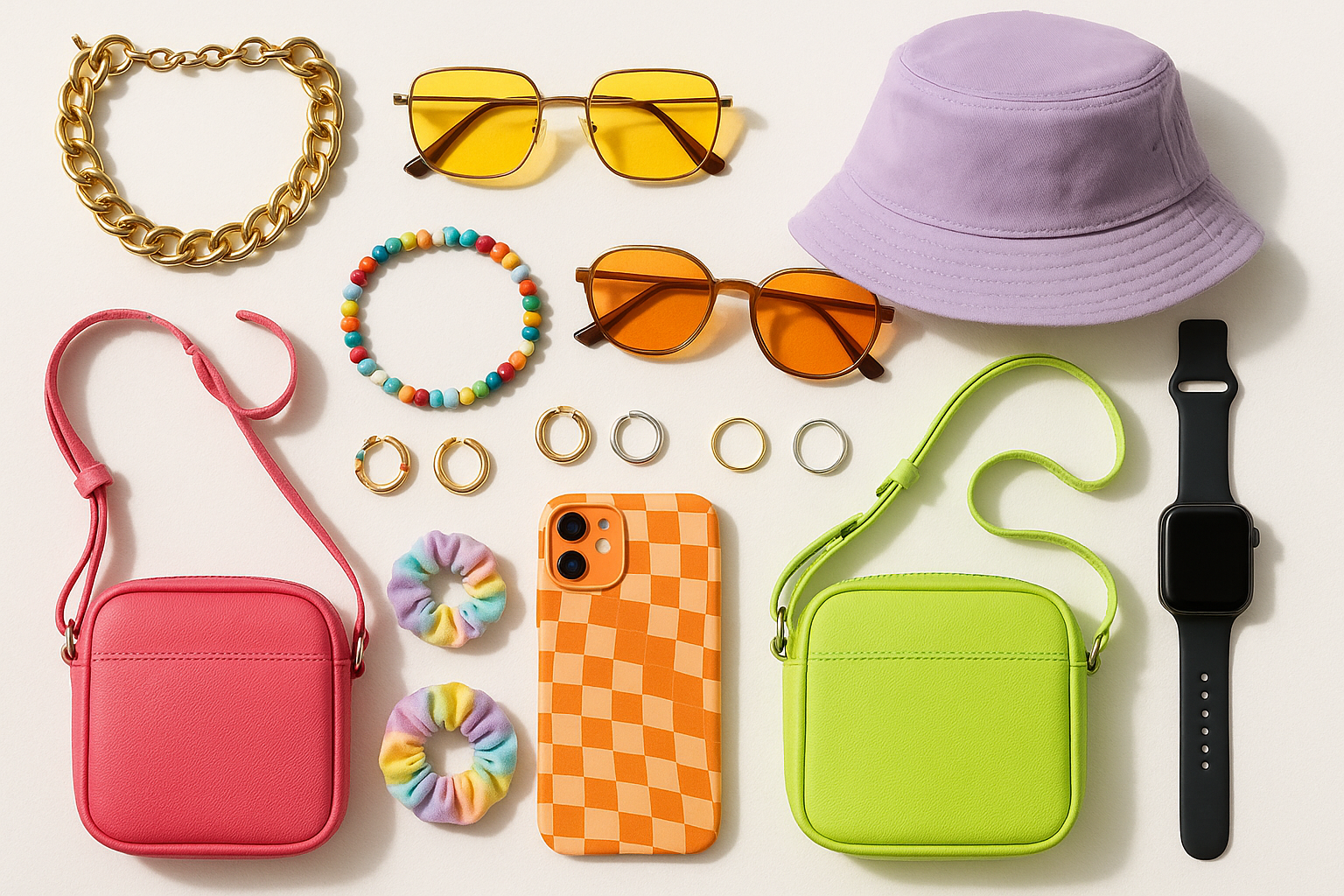
And yes, accessories count. Crossbody bags, beanies, layered jewelry, caps, statement socks, and sunglasses can tighten the whole look. The key is restraint. One or two finishing pieces usually hit harder than five add-ons fighting for attention.
Why streetwear fashion keeps blending with other categories
Streetwear got stronger when it stopped acting like one fixed uniform. That is why the crossover with active, essentials, swim, and nightlife style feels so natural now.
People want clothes that move with real life. A fitted active top under an oversized jacket works because it is sharp, comfortable, and current. A matching set with clean sneakers works because it looks styled with almost zero effort. A soft basic layer under cargos works because comfort is part of the look now, not separate from it.
This is also why category-based shopping makes sense. You are not just buying a hoodie or a sneaker. You are building a mood. Some days call for laid-back essentials. Some call for cleaner active-inspired layers. Some need a full club-adjacent fit that still feels rooted in street style. A curated store like Fashion NetClub works when it filters those moods into wearable edits instead of making you scroll through pieces that miss the moment.
The biggest mistakes that age a fit fast
The fastest way to miss with streetwear is to chase every trend at once. Streetwear should feel plugged in, not costume-like. If you stack loud graphics, trend-heavy accessories, oversized layers, and hype sneakers all in one look, the outfit usually wears you.
Another common mistake is ignoring fit because the style is supposed to be relaxed. Relaxed does not mean shapeless. Shoulder line, pant break, sleeve length, and crop all matter. Even the most casual outfit needs some structure somewhere.
Then there is the issue of outdated references. Not every old trend deserves a comeback in your closet. Some pieces come back with new proportions, new styling, or cleaner colors. If you wear them exactly the way they were styled years ago, the look can feel stale instead of current.
Building a streetwear wardrobe that lasts longer than one trend cycle
If you want your closet to stay relevant, focus less on collecting random statement pieces and more on building combinations. A good rotation usually includes reliable essentials, a few directional items, and footwear that can shift the mood.
That means keeping clean tees, easy layers, versatile joggers or cargos, and sneakers that work across multiple fits. Then add selective trend pieces that reflect what is happening now - maybe a washed zip hoodie, a technical jacket, a wider denim cut, or a fitted active layer that gives contrast.
This balance matters because trend-only shopping gets expensive and messy. But basics-only shopping can flatten your style. The sweet spot is a wardrobe where the essentials carry the load and the trend pieces keep the whole thing fresh.
Streetwear works best when it looks lived in, not over-planned. You want enough variety to switch lanes, but enough consistency that your style still reads as yours.
Where streetwear fashion is headed next
Expect even more mixing. Streetwear fashion is heading toward sharper styling, better fabric choices, more versatile basics, and silhouettes that can shift from casual to going-out without much effort. The clean and oversized mix will keep evolving, and so will the crossover between performance wear and everyday looks.
That does not mean the bold stuff disappears. Graphics, statement sneakers, and trend-led pieces will always have a place. But the real flex is wearing them in a way that feels current, not forced.
If you are updating your rotation, skip the idea of a complete reset. Start with the pieces you reach for most, then ask one question: do they still look like now? If the answer is no, your next fit already told you what to change.
0 comments