

A strong fit should not look like you spent three hours building it. That is the point of a streetwear basics starter guide: get the core pieces right, then let your sneakers, accessories, and personal taste do the talking. You do not need a closet packed with hype to look current. You need a rotation that feels intentional from the first tee to the last layer.
Streetwear starts with comfort, but it is never just comfort. Proportion matters. Color matters. The difference between a clean everyday look and something that feels unfinished is usually in the fit, the footwear, and one smart styling choice.
Start Your Streetwear Basics With Fit
Before chasing graphics, labels, or the newest drop, learn the silhouettes that work for you. Streetwear has room for oversized tees, baggy denim, cropped jackets, wide-leg cargos, and relaxed hoodies. But wearing every piece oversized at once can turn a look into a pile of fabric.
Balance is the move. Pair a boxy tee with straight or loose-fit pants. Wear wider cargos with a more fitted tank, tee, or long sleeve underneath. If your hoodie is oversized, a cleaner bottom half can keep the outfit sharp. There are no hard rules, but the outfit should look chosen, not accidental.
Try pieces on with the shoes you actually wear. A pair of pants that looks right barefoot may stack too heavily over chunky sneakers, while a cropped jacket can look completely different once it is layered over a hoodie. Streetwear is built from full looks, not isolated product photos.
The Core Pieces Worth Buying First
A starter rotation should make getting dressed easy. Begin with versatile pieces you can repeat in different combinations, then bring in trend-driven items when your foundation is solid.
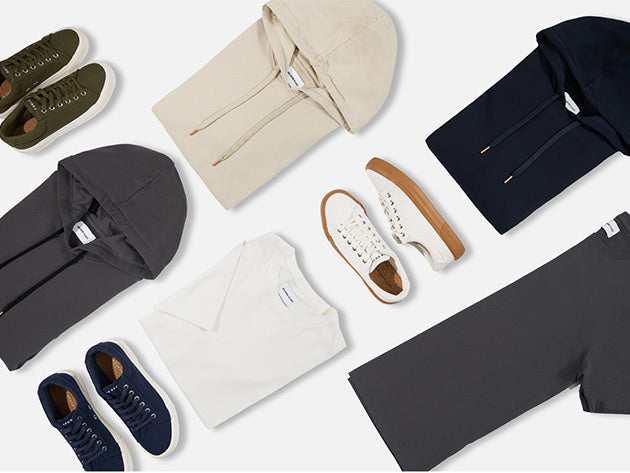
Premium tees that hold their shape
The everyday tee is not boring. It is the base layer behind a huge percentage of streetwear fits. Look for heavyweight cotton or a fabric with enough structure to sit cleanly on the shoulders. A slightly boxy cut usually gives more style range than a thin, tight tee.
Start with black, white, charcoal, washed gray, cream, or muted earth tones. These shades work with nearly everything and make bold sneakers or a graphic outer layer feel more wearable. Once you have a few reliable neutrals, add one graphic tee that actually fits your vibe. A good graphic should feel like a statement, not an apology for a weak outfit.
A hoodie or crewneck with presence
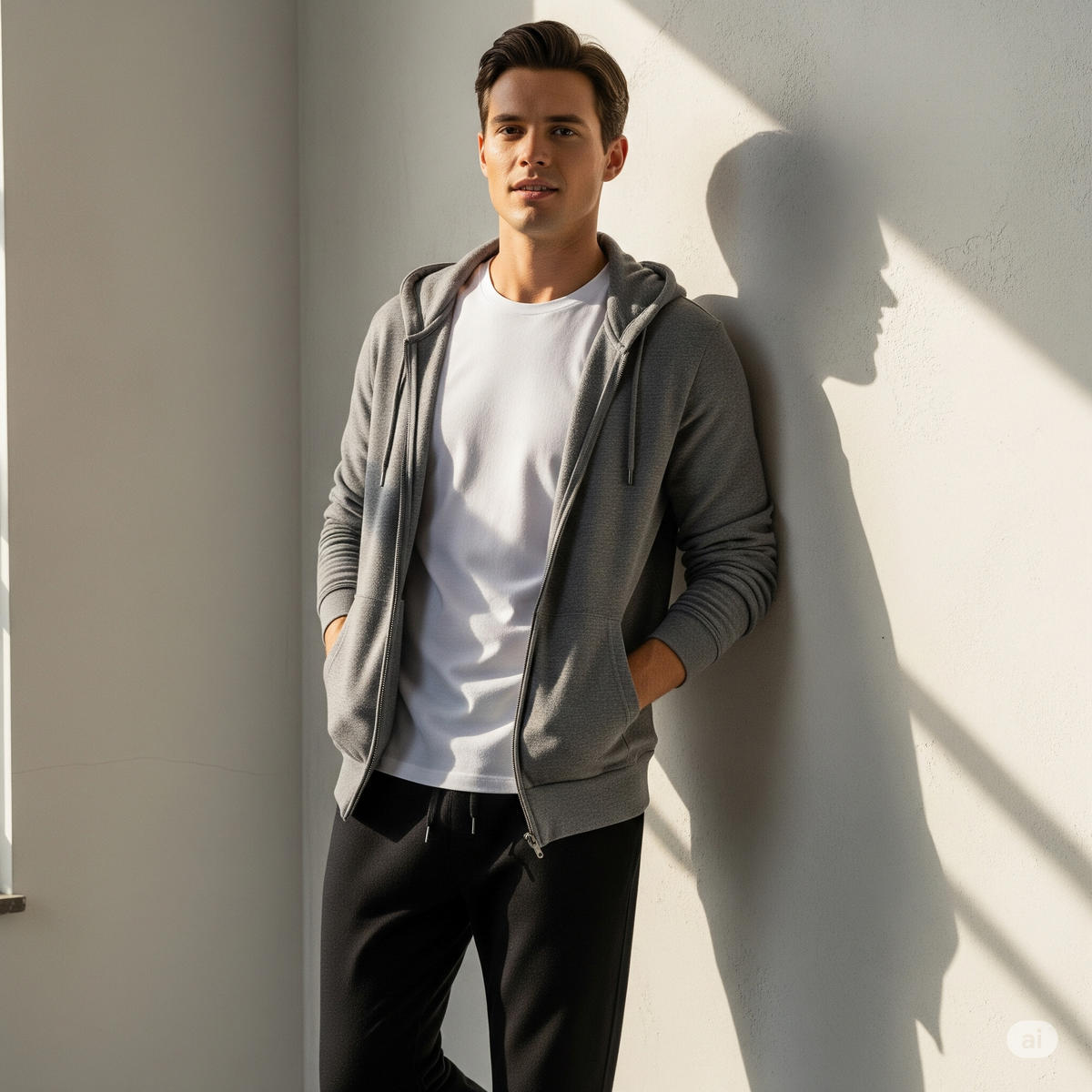
A hoodie is one of the fastest ways to make a basic rotation feel street-ready. Go for a relaxed fit, solid fabric, and a hood that holds its shape rather than collapsing flat against your back. Black, heather gray, faded navy, and washed tones are safe choices, but a standout color can earn its place if you can style it more than once.
Crewnecks bring a slightly cleaner energy. They work especially well under varsity jackets, bombers, denim jackets, and overshirts. If you like a more minimal look, a heavyweight crewneck with no loud branding can be one of your most-worn pieces.
Loose jeans, cargos, or utility pants
Skinny jeans are not the default streetwear uniform anymore. Relaxed straight-leg denim, wide-leg denim, parachute pants, and cargos give your outfit more shape and movement. The best first pair depends on your personal style and your shoe rotation.
Cargos are an easy win if you want utility detail without overthinking the rest of the outfit. Keep the top simple, especially if the cargos have extra pockets, straps, or a loud print. For denim, medium blue washes, black, faded gray, and ecru are the most flexible starting points.
Pay attention to length. Pants should either sit neatly on the shoe, create a controlled stack, or hit just above the ankle by design. Too much pooling can make even a good pair look sloppy.
Sneakers that anchor the look
Sneakers are not an afterthought. They set the direction of the entire fit. Clean low-tops keep looks minimal, retro runners add movement, basketball-inspired silhouettes bring more edge, and skate-style shoes work naturally with baggier pants.
You do not need every silhouette at once. Start with one versatile pair in white, black, gray, or a neutral mix, then add a pair with color or stronger detailing. Keep them clean. Beat-up shoes can work when the rest of the outfit has that intentional vintage or skate energy, but random scuffs rarely read as styled.
Build Outfits Around One Main Character
The easiest way to avoid doing too much is to choose one focal point. It could be standout sneakers, printed pants, a varsity jacket, a bold tee, or a bright bag. Let that item lead, then keep the rest of the fit calm enough to support it.
For example, if your sneakers have multiple colors, pull one subtle shade from them into your tee, hat, or socks. If you are wearing camouflage cargos, keep the hoodie plain. If your jacket is oversized and graphic-heavy, a clean tee and simple jeans create the contrast that makes it hit.
This is where streetwear becomes personal. Some people want a quiet, tonal rotation built around black, gray, and washed neutrals. Others want loud color, statement prints, and club-ready layers. Both work when there is a clear point of view.
Color Is Easier Than It Looks
You do not have to dress head-to-toe in neutral colors, but neutrals make a starter wardrobe more flexible. Build most of your rotation around two or three dependable base colors, then choose accents that work with them.
Black, gray, cream, olive, brown, faded blue, and navy all play well together. Add red, cobalt, pink, lime, or orange through a sneaker, beanie, bag, or graphic. Small color moments can make a fit feel new without requiring a full closet reset.
Monochrome outfits are another easy option. Try different shades and textures of the same color family: washed black denim with a black tee and charcoal hoodie, or cream pants with an off-white tee and tan jacket. The variation keeps the outfit from looking flat.
Layer for the Weather and the Photo
Layers add depth, and they also give you more ways to rewear the same basics. An open flannel over a tee, a zip hoodie under a jacket, or an oversized button-up over a tank can shift an outfit without adding unnecessary noise.
Keep fabric weight in mind. A heavy hoodie under a slim jacket can feel restrictive and look bulky. In colder weather, choose a roomy puffer, bomber, or workwear jacket that has space for layers. In warmer weather, lean into lightweight overshirts, mesh jerseys, short-sleeve button-ups, and open zip-ups.
Streetwear has to survive real life, not just a mirror photo. If you are commuting, moving around campus, working a shift, or going out after dark, your layers should be easy to carry and comfortable enough to keep on.
Accessories Finish the Rotation
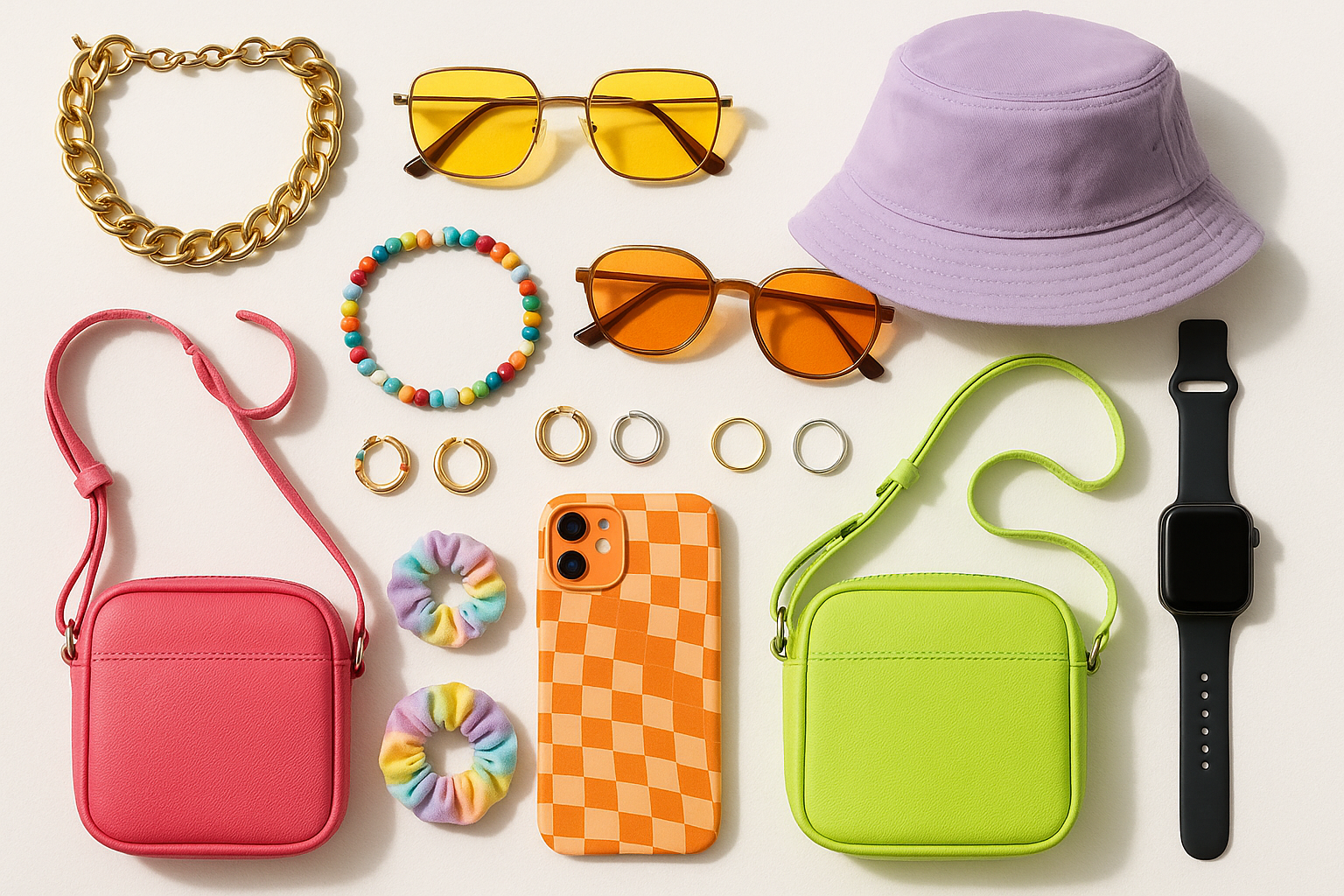
Accessories are the small details that make repeat outfits feel different. A fitted cap, beanie, crossbody bag, chain, watch, rings, sunglasses, or visible socks can bring personality to a basic fit. Start with one or two, not all of them at once.
A bag is especially useful because it adds function and visual structure. Crossbody styles work with casual and active looks, while a compact shoulder bag can push an outfit toward a more fashion-forward, going-out direction. The goal is to add a detail that feels natural to how you move.
Know When to Keep It Simple
Not every outfit needs a trend piece. A clean white tee, loose black jeans, solid hoodie, and good sneakers can look better than a fit full of logos, stacked accessories, and mismatched prints. The pieces need to fit well, feel fresh, and match your energy.
Trends are worth trying when they feel like an extension of your style. Maybe that means jorts, racing jackets, washed fabrics, sporty nylon, or oversized jersey layers. It also means skipping a trend when it only looks good in a 10-second scroll. Wear what you can style repeatedly, not what will sit in your closet after one post.
Fashion NetClub is built for finding those current pieces without losing the everyday foundation. Shop the new energy, but keep your rotation grounded in clothes you will actually reach for.
Your first streetwear wardrobe does not need to be perfect. Start with a few strong basics, wear them often, notice what feels most like you, and build from there. The best fit is not the loudest one in the room. It is the one you can wear with confidence before anyone asks where you got it.
0 comments