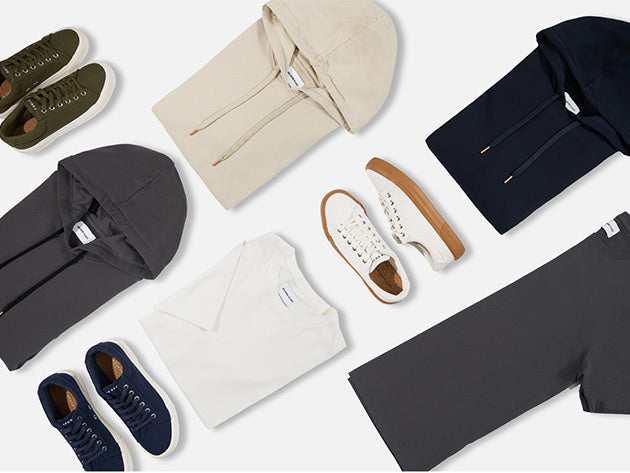
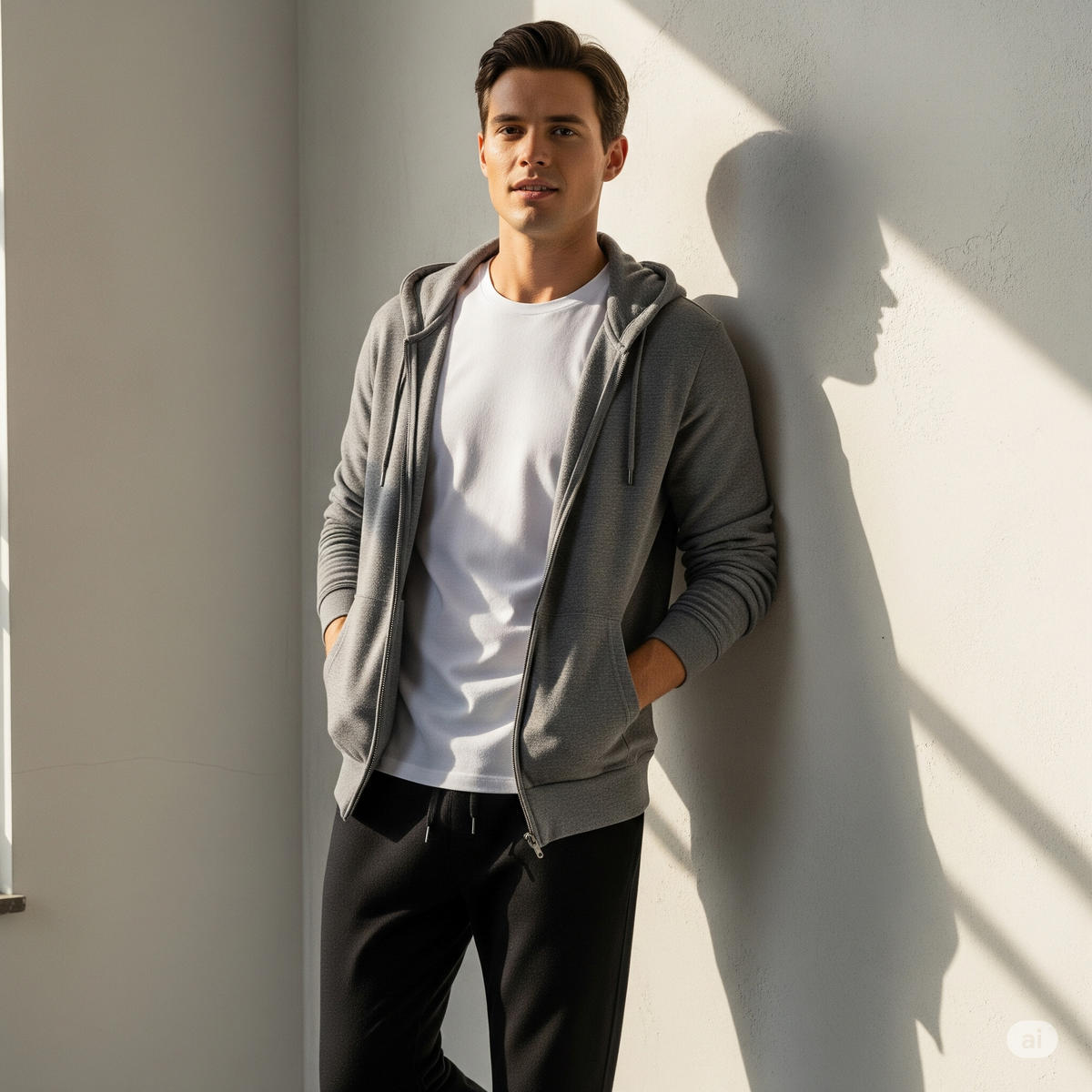


That one shoe choice can change the whole fit. Swap a low-cut pair for a high-cut pair and suddenly your jeans stack differently, your shorts look sharper, and the vibe shifts from clean and easy to bold and locked-in. That is why low top vs high top sneakers is still a real style debate - not just a technical one.
Some people treat it like a comfort question. Others only care about the look. The truth sits somewhere in between. The right pick depends on how you dress, how you move, and what you want your sneakers to do for the rest of your outfit.
Low top vs high top sneakers: the core difference
The biggest difference is simple. Low tops sit below the ankle, while high tops rise over or around it. That sounds minor until you put together a full look.
Low tops usually feel lighter, cleaner, and easier to wear with almost anything. They keep the ankle open, which makes outfits feel less heavy. High tops bring more shape and presence. They take up more visual space, so they naturally become part of the statement instead of just supporting it.
Neither one is automatically better. If your style leans minimal, low tops tend to work harder. If your outfits need edge, structure, or a more retro-sport feel, high tops often deliver more.
Why low tops stay in heavy rotation
Low tops are the easy win for everyday wear. They are the pair you can throw on with cargos, denim, tailored shorts, sweats, or even relaxed trousers without overthinking it. That versatility is a big reason they stay relevant no matter what trend cycle is moving.
They also give your outfit room to breathe. If you like stacked pants, visible socks, ankle details, or cleaner proportions, low tops make all of that easier. They do not compete with wide hems, and they rarely make your lower half feel too bulky.
There is also a seasonal advantage. In warmer weather, low tops usually feel more comfortable and look more natural with shorts. If your closet leans toward lighter layers, oversized tees, tanks, mesh jerseys, and easy summer sets, low tops fit right in.
The trade-off is that low tops can sometimes feel too safe. If the rest of your outfit is basic, they might not bring enough energy on their own. They often need stronger styling around them - better pants, sharper color balance, or standout socks - to hit with real intention.
Best looks for low tops
Low tops work especially well with cropped pants, straight-leg denim, loose cargos, and athletic shorts. They also fit the clean streetwear lane really well: boxy tee, open overshirt, relaxed pant, finished sneaker. If your goal is a polished off-duty look, low tops are usually the smoother move.
They are also strong if you like mixing sporty and casual pieces without going full throwback. A low profile sneaker keeps the outfit current instead of costume-like.
Why high tops still hit
High tops bring attitude fast. They frame the ankle, add height visually, and make sneakers feel like a bigger part of the fit. If low tops are effortless, high tops are intentional.
They also tap into a lot of style history - basketball, skate, retro sport, punk, streetwear. That gives them range, but it also means they carry more personality right away. Put on a high top and you are making a stronger decision than you are with a low top.
This is where high tops shine: when the outfit needs structure. If you are wearing slimmer pants, cuffed denim, utility pieces, or layered streetwear, high tops can anchor the whole look. They create a cleaner line from pant to shoe when styled well, especially in colder months.
Comfort is more personal here. Some people like the secure feel around the ankle. Others feel restricted by it, especially if the sneaker is stiff or heavily padded. That is why trying different silhouettes matters. Not every high top wears the same. Some feel sleek and close to the foot, while others are chunky and more statement-driven.
Best looks for high tops
High tops work best when you let them show. Tapered cargos, stacked skinny jeans, shorts with long socks, and cropped workwear pants all make sense here. They can also elevate monochrome outfits because they add dimension around the ankle and lower leg.
If your style leans vintage basketball, skater, or downtown nightlife, high tops usually look more on-brand. They bring that extra layer of visual confidence.
Comfort, support, and what actually matters
A lot of people assume high tops automatically mean better support. That is only partly true. The collar sits higher on the ankle, but that does not guarantee real stability, cushioning, or performance. Materials, outsole design, fit, and foot shape matter more than just the cut.
For everyday wear, low tops often feel less restrictive and easier to walk around in for long hours. They are usually simpler to style and simpler to wear. High tops can feel supportive for some people, especially if they like a more secure fit, but they can also run hot or stiff.
If you are shopping mainly for daily outfits instead of sports performance, prioritize comfort based on construction, not just height. A well-made low top can feel better all day than a poorly designed high top. And a good high top can outperform a flat, unsupportive low top with no problem.
Which works better with different pants?
This is where the low top vs high top sneakers question gets real. Your pants can make or break the shoe.
Low tops are usually more forgiving. Wide-leg denim, straight cargos, shorts, and relaxed joggers all sit naturally with them. They do not ask for as much planning because they stay out of the way.
High tops need more intention. If your pants bunch awkwardly over the collar, the look can get messy fast. If the hem hits too low, the shoe loses impact. That does not mean high tops are harder to wear - just more dependent on proportion.
With baggier pants, low tops often create a cleaner finish. With cropped or tapered pants, high tops can look stronger because the silhouette feels more balanced. If you wear shorts often, both can work, but the effect is different. Low tops feel lighter and more casual. High tops feel sportier and more styled.
Trend factor: what feels current right now?
Both silhouettes are in play, but they serve different trend moods. Low tops fit the clean, versatile, everyday sneaker wave. They work with minimal looks, vintage-inspired basics, and quieter styling. They are the easiest choice if you want one pair to move across a lot of outfits.
High tops come in stronger when fashion swings toward statement dressing, retro sport, skate influence, and more expressive streetwear. They can make a simple outfit feel sharper, but they are less invisible. That is the point.
Right now, the best dressed people are not asking which silhouette is universally better. They are matching the cut to the outfit and wearing both when it makes sense. That is the real style move.
So which one should you buy?
If you want a daily pair that plays nice with almost everything, go low top. It is easier, lighter, and usually more versatile. If your closet is full of relaxed denim, matching sets, tees, and everyday essentials, you will probably get more wear out of low tops.
If you want your sneakers to speak louder, go high top. It is a stronger fashion choice and can pull more weight in an outfit. If you wear tapered pants, layered streetwear, varsity-inspired pieces, or bolder fits, high tops may feel more natural.
If you are building a smart rotation, the real answer is one of each. A clean low top covers everyday movement. A sharp high top covers the outfits that need more presence. That kind of mix gives you range without overcomplicating your lineup.
Fashion NetClub energy is all about wearing what feels current, confident, and ready to be seen. That means choosing the sneaker that works with your fit, not against it. Start with the way you actually dress, and the right pair gets obvious fast.
The best sneaker is not the one with the louder reputation. It is the one that makes your outfit look finished the second you put it on.
0 comments