

A great outfit can lose its whole vibe because of one thing: underwear that bunches, rolls, shows through, or quits halfway through the day. This seamless underwear review breaks down what this smooth, low-profile category actually delivers - and where the hype needs a reality check.
For leggings, bodycon dresses, bike shorts, loose cargos, and fitted activewear, the right base layer matters. The goal is not to think about it after you get dressed. It should stay put, feel light, and let the fit of your clothes do the talking.
Seamless Underwear Review: What We Looked For
This style is usually made with a circular-knit construction, bonded edges, or laser-cut finishes instead of bulky seams around the waist and legs. That changes the way a pair sits under clothes. Rather than creating obvious lines or raised edges, it is designed to lie flatter against the body.
But a smooth look alone does not make a pair worth buying. For this review, the key standards are fit, fabric recovery, opacity, breathability, waistband grip, and how the pair performs under real outfit rotation. Think gym sets in the morning, classes or work during the day, then a club-ready fit at night.
The best pairs feel barely there without being flimsy. They stretch when you move, then return to shape instead of turning into loose, saggy fabric after a few wears. They also stay discreet beneath thin leggings and fitted bottoms without feeling like compression gear.
There is a trade-off, though. The lighter and smoother the fabric, the more likely it is to feel less structured than classic cotton underwear. If you love a firm waistband or full coverage that stays extra locked in, a traditional brief may still win for some days.
The Fit Test: Does It Actually Stay Put?
Fit is where this category either earns its spot in your drawer or gets demoted to occasional wear. A good pair should hug the body without cutting in at the leg opening, while the waistband should sit flat rather than folding over when you bend, sit, or move through a workout.
High-rise cuts are usually the strongest pick for leggings, wide-leg pants, and high-waisted denim. They create a clean line through the waist and can feel more secure under activewear. Mid-rise bikini cuts work well with everyday cargos and jeans, especially if you do not want fabric reaching too high on the stomach. Thongs deliver the least visible finish beneath body-hugging looks, but coverage is personal. No trend is worth spending all day adjusting.
Sizing deserves more attention than shoppers often give it. Going too small can make even premium fabric roll at the waist and dig into the hips. Sizing up too far can cause the back to shift or bunch. Check the size chart, then prioritize your hip measurement over the size you normally buy in loose sweatpants or oversized streetwear.
A reliable test is simple: wear a pair through squats, stairs, sitting, walking, and a few hours of regular movement. If you keep checking the waistband or pulling the fabric into place, the shape is not right for you. That is not a you problem.
Coverage Is a Style Choice
A full brief, cheeky cut, and thong can all work under fitted clothes, but each creates a different feel. Full coverage gives more security and can be a favorite for long travel days or oversized lounge fits. Cheeky silhouettes balance coverage with a more minimal look. Thongs are the move when you want the cleanest result under leggings, ribbed dresses, or fitted skirt sets.
Color plays a bigger role than many people expect. Nude shades that are close to your skin tone are generally more discreet beneath white and light fabrics than white underwear. Black is a staple for dark denim, black flare leggings, and nighttime looks. Bright colors and prints are fun, but save them for thicker fabrics or outfits where visibility is not a concern.
Fabric Matters More Than the Label
Most no-show underwear uses nylon or polyamide blended with elastane. That mix creates the soft, stretchy finish people want under activewear and close-fitting clothes. It can also dry faster than cotton after a sweaty commute or workout.
Still, synthetic fabric is not automatically the best answer for every body or every day. If you run warm, look for pairs with a breathable gusset, ideally cotton-lined, and avoid overly thick compression fabrics for all-day wear. A pair can feel polished under a matching set and still be too warm for a packed dance floor or summer festival.
Cotton-rich options can feel more breathable and familiar, but they may show more texture beneath thin clothes. Microfiber is smoother and often stronger for invisible styling, yet quality varies. Cheap, ultra-thin versions can stretch out quickly, become less opaque, or lose their edge after repeated washes.
The move is to build a mix instead of expecting one fabric to cover every situation. Keep soft cotton pairs for downtime, stronger stretch pairs for gym looks, and minimal styles for fitted outfits. That kind of rotation makes your underwear drawer work harder without overcomplicating it.
How It Performs With Real Outfits
This is where the category shines. Under black leggings, fitted bike shorts, and activewear sets, smooth-cut underwear can make the whole outfit look more intentional. It is especially useful when your top is cropped and your bottoms are doing most of the outfit work.
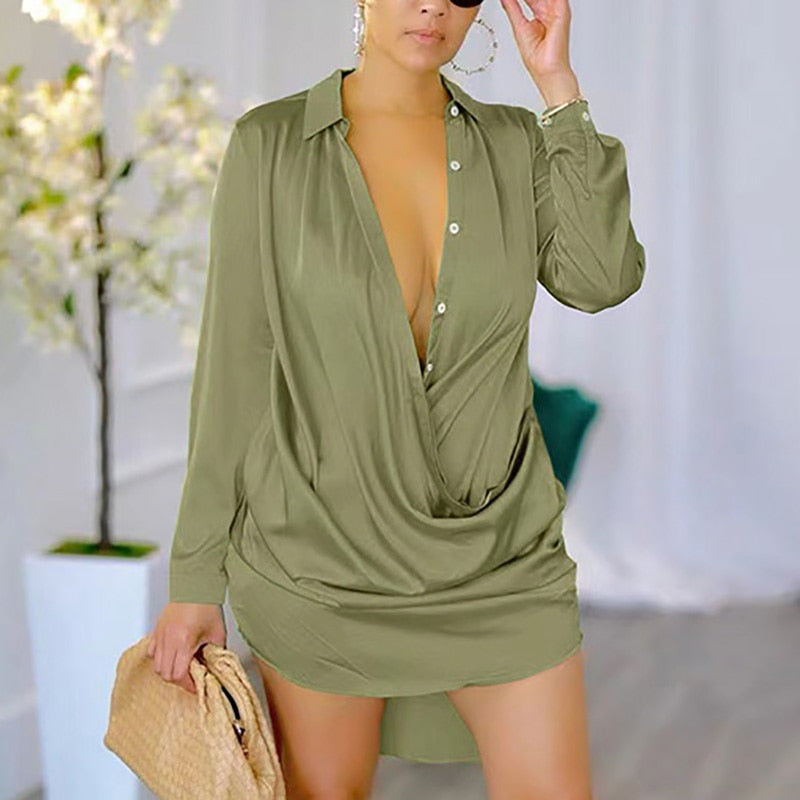
For dresses and skirts, choose based on fabric weight. A heavier knit dress can handle more coverage, while satin, jersey, and ribbed bodycon fabrics benefit from the flattest edges possible. If the dress is light-colored or very thin, test it in natural light before leaving. Indoor mirrors can be generous. Daylight is not.
Under denim, the difference is less about avoiding lines and more about comfort. A soft, flexible pair works well under low-rise jeans, baggy carpenter pants, or straight-leg denim because it does not compete with the waistband. For low-rise fits, make sure the rise of your underwear stays below the denim line when you sit down. The flash of a waistband might be part of the Y2K look, but accidental bunching is not.
Studio Skinwear-style basics fit naturally into this kind of outfit planning: clean layers that support the look without stealing focus. The right pair is not trying to be the headline. It is helping the rest of your fit land better.
What Can Go Wrong
The biggest downside is durability. Bonded edges and laser-cut finishes can eventually curl, peel, or lose their grip if they are washed roughly. Heat is usually the enemy. Hot dryers can wear down elastic fibers and make the fabric less springy over time.
Hand washing is ideal, but it is not always realistic. A cold, gentle machine cycle inside a mesh bag is a solid middle ground. Skip fabric softener, which can coat performance fibers, and air dry whenever possible. If a pair starts rolling at the waistband after only a few washes, it may be time to switch brands or try a slightly more structured construction.
Another issue is fabric transparency. Lighter shades can become more visible when stretched, especially under bright gym lighting or when worn with pale leggings. Do a quick mirror check before your first wear, including a squat test. It takes ten seconds and saves a lot of awkwardness.
Who Should Buy It?
This underwear style is worth it if your closet leans toward leggings, fitted dresses, activewear sets, slim pants, and body-skimming basics. It is also a smart pick for anyone who hates thick elastic lines under clothes or wants a cleaner finish with minimal effort.
It may not be your everyday favorite if you prefer natural fibers, maximum coverage, or a more substantial waistband. Comfort is not one-size-fits-all. The best choice depends on what you wear most, how much you move, and whether your priority is softness, support, or a low-profile look.
Start with a small rotation in the cuts and colors you actually wear, not a giant multipack you will ignore. When your base layer fits right, you get to focus on the part that matters: putting together a look that feels current, confident, and fully yours.

0 comments