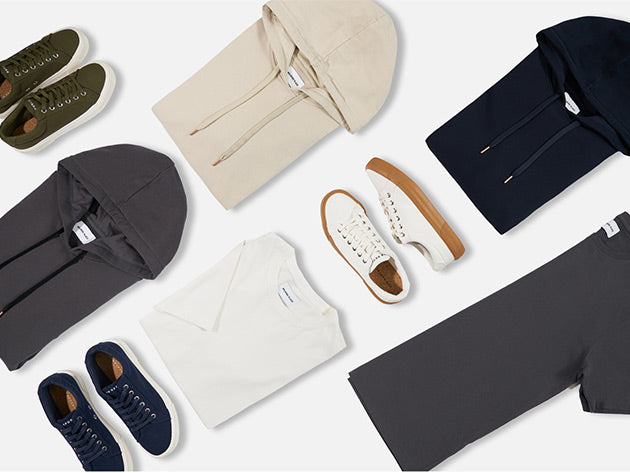
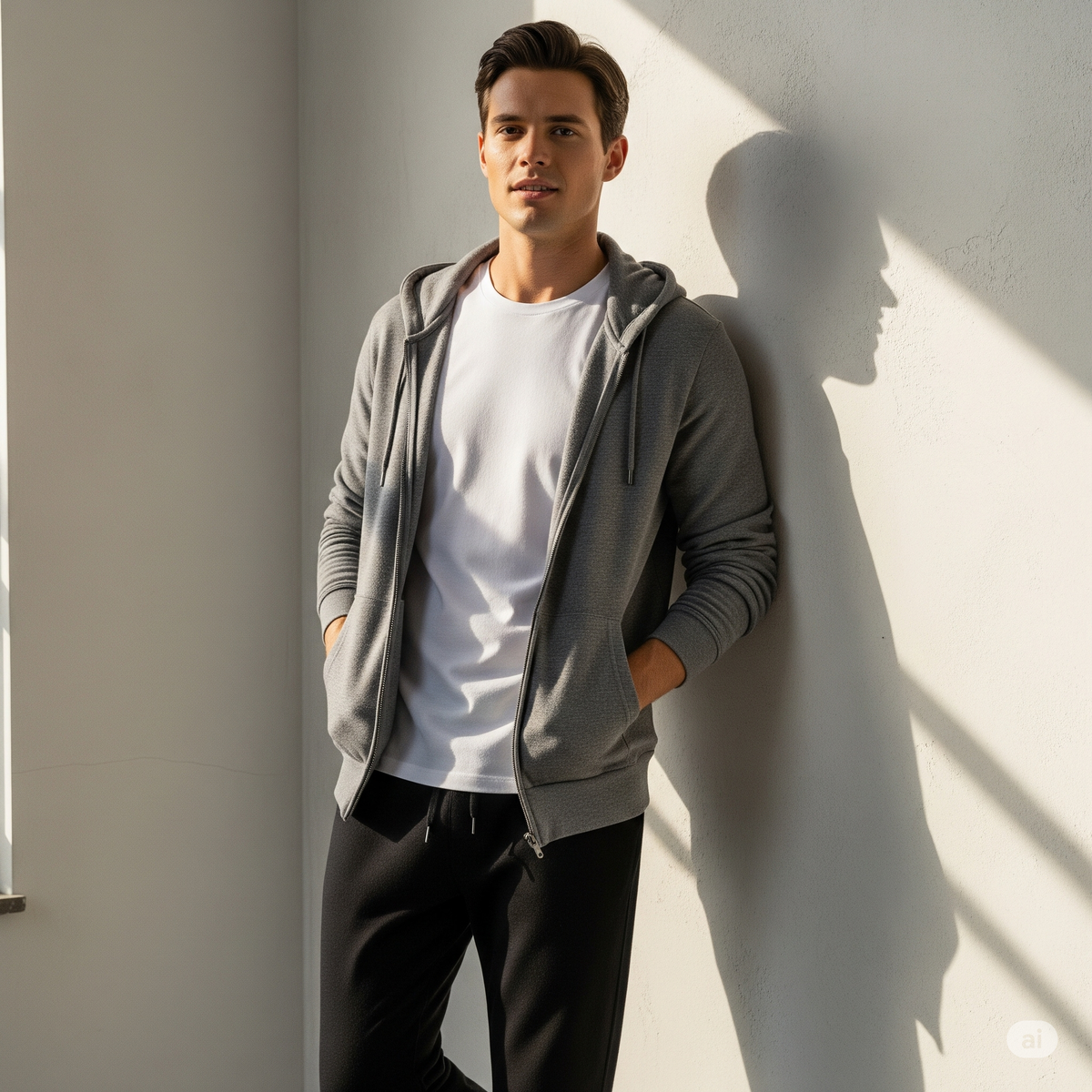
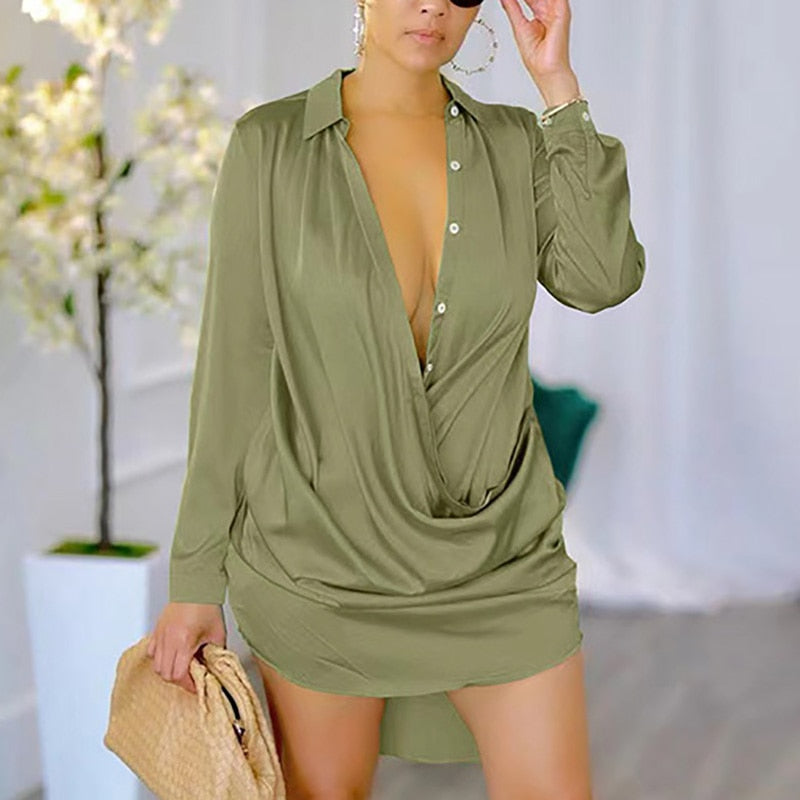


A matching set that looks right at brunch, a hoodie that earns compliments after class, sneakers that carry a full day without killing the outfit - that is the appeal. But what is athleisure, exactly? It is activewear-inspired clothing designed and styled for life beyond a workout. Think performance fabrics, athletic silhouettes, and easy layers worn with a fashion-first mindset.
Athleisure is not just wearing gym clothes outside the gym. The difference is intention. A faded tee, old joggers, and running shoes might be comfortable, but they are not automatically a look. Athleisure takes the practical pieces people already live in and makes them feel curated, current, and ready for wherever the day moves next.
What Is Athleisure in Fashion?
Athleisure sits where activewear meets casual street style. It includes leggings, bike shorts, track pants, sports bras, zip-up jackets, sweat sets, sleek sneakers, and performance tops, but the category is bigger than any one item. The point is clothing that can move, breathe, stretch, and still look intentional in public.
The trend took off because modern schedules do not stay in one lane. You might go from a morning walk to a coffee run, from campus to a casual shift, or from errands to meeting friends. Athleisure answers that kind of day with pieces that feel low-effort but do not look like you gave up.
It also reflects a bigger shift in fashion. Comfort is no longer something you hide at home. It is part of the outfit. The strongest athleisure looks pair that comfort with sharp proportions, clean color choices, and details that signal taste - a cropped jacket, a coordinated set, fresh kicks, or a structured bag.
The Key Pieces That Define the Look
A great athleisure wardrobe does not require a closet full of matching gym gear. Start with the pieces that work hardest, then build outfits around them. Leggings and flare pants bring a body-skimming base; joggers and wide-leg track pants offer a more relaxed, streetwear-driven shape. Bike shorts can go sporty or club-adjacent depending on the top and footwear.
On top, fitted tanks, ribbed tees, sports bras, oversized hoodies, half-zips, and lightweight jackets create range. A fitted base with an oversized outer layer is an easy formula because it balances the silhouette. The reverse works too: loose pants with a close-fitting crop top or bodysuit can look clean rather than swallowed by fabric.
Sneakers are usually the anchor. Retro runners add a throwback feel, chunky styles bring more attitude, and minimal low-profile sneakers keep a look polished. Slides work for warm weather and off-duty plans, but they make the outfit read more casual. If you want the look to feel elevated, footwear matters more than people think.
Fabric makes a difference as well. Performance knits, nylon blends, ribbed stretch fabric, fleece, and technical windbreaker materials all belong in the mix. A little sheen or texture can make an outfit look more fashion-focused, while thin, overly worn fabrics can pull it back toward actual gym gear.
Athleisure vs. Activewear: The Difference Is the Styling
Activewear is made primarily for exercise. It may prioritize compression, sweat-wicking ability, support, temperature control, or unrestricted movement. Athleisure can include activewear, but its main job is to look good in everyday settings.
That distinction matters when you are getting dressed. A high-impact sports bra and compression leggings are perfect for training, but they may need an oversized shirt, zip jacket, or button-down layer to feel right for a day out. Meanwhile, a coordinated ribbed set may look like gym wear at first glance, yet it is built more for a fit check than a hard workout.
Neither category is better. It depends on what you need. If you are lifting, running, or taking a heated class, choose pieces with the technical features your activity requires. If you are dressing for travel, errands, campus, or a casual link-up, you can prioritize cut, color, and how easily each piece works with the rest of your closet.
How to Style Athleisure Without Looking Like You Just Rolled Out
The fastest way to make athleisure look intentional is to commit to a direction. Choose sporty minimal, retro track-inspired, clean monochrome, streetwear oversized, or a fitted studio look. When every piece is pulling in a different direction, the outfit can feel random.
Color coordination is an easy cheat code. A black set with white socks and crisp sneakers always works. So do tonal outfits in heather gray, chocolate brown, navy, olive, or soft neutrals. Matching does not have to mean identical shades. A charcoal hoodie over black leggings still reads pulled together because the colors live in the same zone.
Proportion is the next move. Wear an oversized crewneck with bike shorts, a cropped zip jacket with high-rise flares, or relaxed track pants with a fitted tank. One piece can be loose, but letting every piece go baggy can flatten the shape. On the other hand, head-to-toe skin-tight pieces can feel more like workout uniform territory unless you add a layer or statement sneaker.
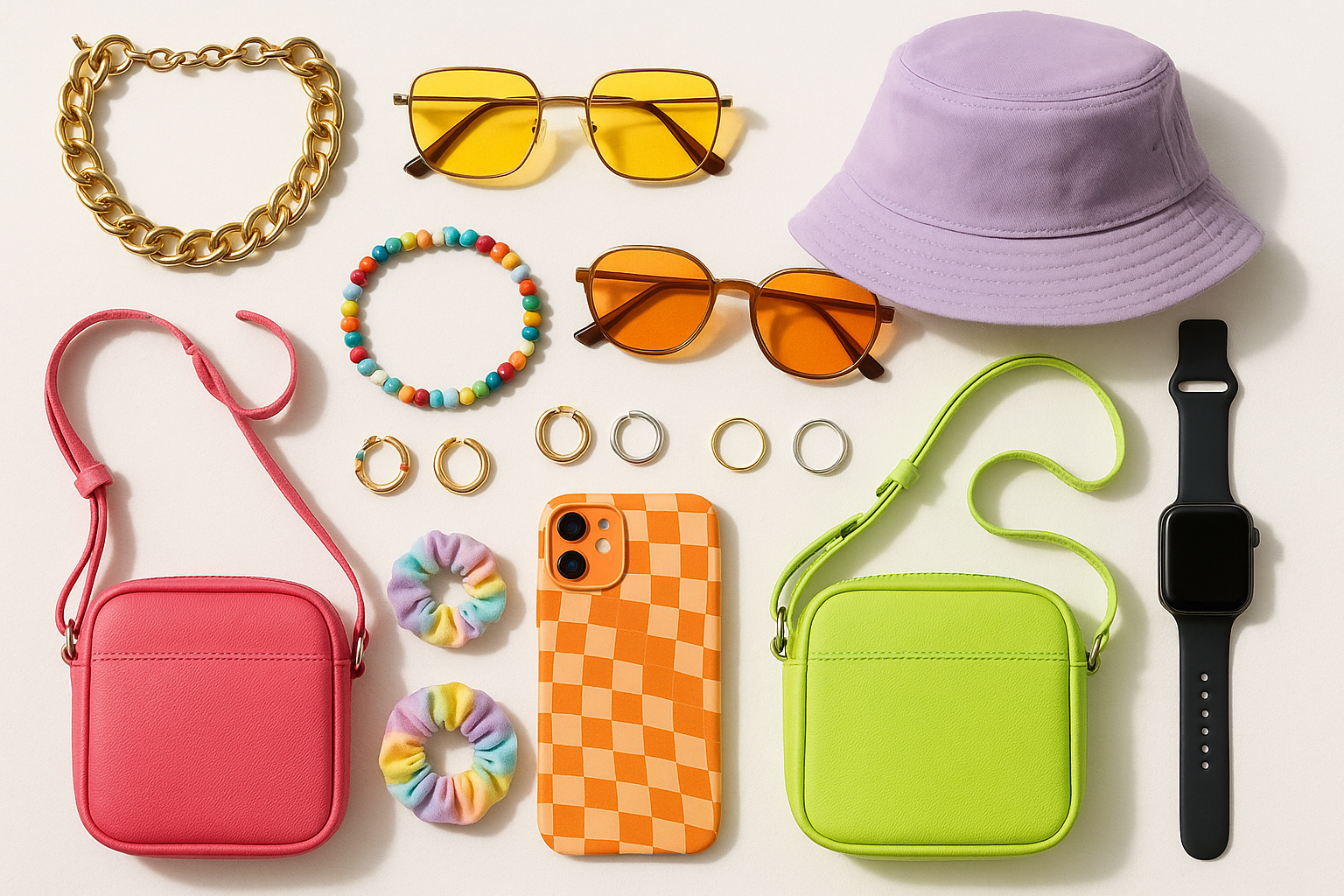
Accessories are where an athletic outfit becomes a lifestyle look. A cap, shoulder bag, small hoops, visible crew socks, or a clean watch can shift the energy fast. Keep it edited. You want the accessories to sharpen the fit, not compete with it.
When Athleisure Works - and When It Does Not
Athleisure is built for casual environments: travel days, weekend plans, study sessions, coffee runs, outdoor markets, low-key dinners, and relaxed offices with a clear casual dress code. It also makes sense when you want to look put together while staying ready to move.
There are limits. A formal event, a job interview, an upscale restaurant, or a setting with safety requirements may call for something else. Even in casual spaces, visible sweat marks, stretched-out waistbands, peeling graphics, and beat-up shoes can make a look feel accidental. Athleisure is comfortable, but it should still look cared for.
Weather matters too. Heavy fleece can look cozy and current in fall, then feel out of place in summer. For hot days, try bike shorts, lightweight track pants, breathable tanks, and a thin overshirt for air-conditioned spaces. For colder months, layer a puffer, bomber, or oversized coat over a set instead of relying on one bulky sweatshirt.
Building a Rotation That Actually Gets Worn
The smartest approach is to buy for repeat outfits, not one viral photo. Start with a few reliable bottoms, versatile tops, one or two layers, and sneakers that work across the rotation. Then add a standout color, graphic, or trend piece when you want more personality.
A black legging or track pant earns its place because it can work with almost anything. A bright matching set is more of a mood piece - fun, scroll-stopping, and worth it if you know you will wear it beyond one occasion. The sweet spot is a wardrobe with a strong base and enough new energy to keep your fits from feeling copied and pasted.
At Fashion NetClub, the Freely Activewear mindset is not about dressing like every day is leg day. It is about finding pieces that keep pace with your real plans while staying in the style conversation. Wear the set, add the kicks, throw on the layer, and make comfort look like a choice.
0 comments