

A fit gets judged fast. Usually in the first five seconds. That is exactly why men's fashion essentials inexpensive enough for a real-life budget matter so much - you do not need a luxury cart to look current, clean, and put together.
The trick is not buying more. It is buying the right pieces, in the right colors, with the right shape. If your closet has strong basics that work with sneakers, layers, and weekend plans, getting dressed stops feeling random and starts looking intentional.
Why men's fashion essentials inexpensive pieces win
Cheap and bad are not the same thing. That old mindset is what leads people to waste money on overhyped pieces they wear twice. Inexpensive essentials win when they handle repeat wear, style easily across different looks, and still feel on-trend.
That means focusing less on logos and more on silhouette. A boxy tee in a solid neutral can do more for your rotation than a loud graphic you get tired of in two weeks. The same goes for cargos with a clean taper, a hoodie that layers right under a jacket, or sneakers that work with both denim and activewear.
There is a trade-off, though. If you are shopping lower price points, every detail matters more. Fabric weight, fit, and color consistency can make the difference between affordable and throwaway. So the goal is not to buy the cheapest version. It is to buy the smartest version.
The core wardrobe that keeps your style on
A strong closet starts with the pieces you can wear on a Monday coffee run, a Friday night link-up, and a last-minute photo dump without looking like you repeated the same fit. These are the essentials that carry the most style value.
1. Clean heavyweight tees
Start here. Not thin, clingy tees that lose shape after one wash. Go for structured cotton tees in black, white, gray, and one deeper tone like olive, navy, or brown. A slightly relaxed fit reads more current than a tight cut, especially if you want that streetwear-adjacent silhouette.
This is the piece that anchors almost everything else. Under an overshirt, with cargos, under a puffer, with mesh shorts - it always works. If the collar holds and the sleeve length hits right, the whole outfit looks more expensive.
2. Hoodies that actually layer well
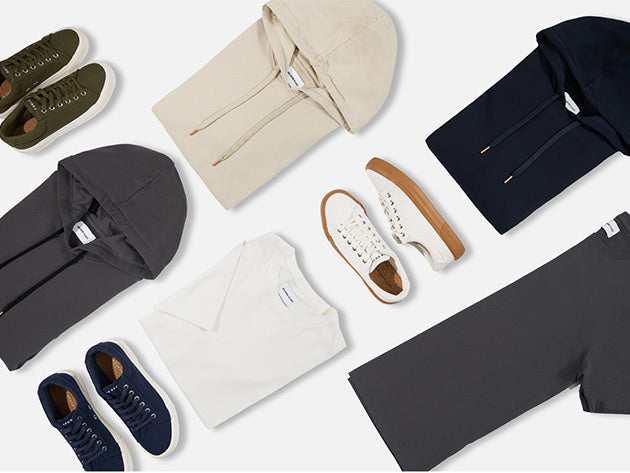
A good hoodie needs enough body to sit clean, not slump. Stick with solid colors first. Black, heather gray, cream, faded blue, and washed earth tones all play well with sneakers and outerwear.
Oversized can look strong, but not every oversized hoodie is flattering. If the shoulders drop too far and the hem pools, it can read sloppy instead of styled. The sweet spot is relaxed with shape.
3. Straight or tapered cargos
Cargos are one of the easiest ways to make a basic outfit feel current. They give texture, movement, and a little utility edge without trying too hard. Olive, black, tan, and charcoal are the safest wins.
Fit matters more than extra pockets. If the leg is too wide, the look can get messy fast unless you style it with intention. If it is too skinny, it loses the modern feel. Aim for a straight or lightly tapered cut that stacks a little over sneakers.
4. Denim that keeps it simple
You do not need five kinds of jeans. You need one dark wash, one black pair, or one faded blue pair depending on your style lane. Straight fit is the easiest starting point because it works with both clean basics and more trend-driven pieces.
Heavy distressing can date fast. Minimal distress or no distress at all gives you more range. The pair that works with a hoodie and sneakers should also be able to handle a knit polo or bomber.
5. Matching sets or coordinated activewear
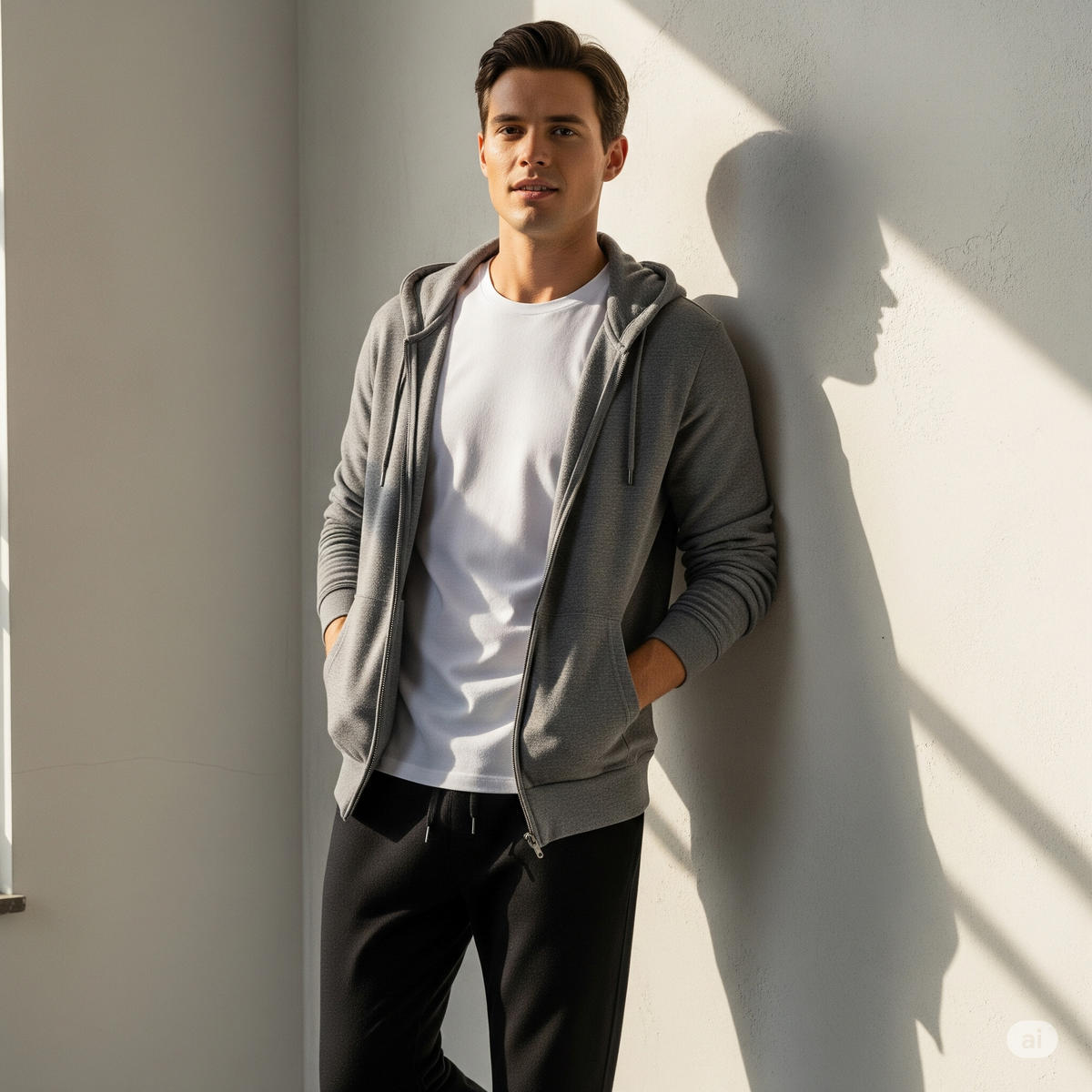
This one is underrated. A clean set - hoodie and jogger, tee and short, track jacket and pant - makes styling almost too easy. It also hits that polished off-duty look that keeps showing up across streetwear and activewear.
The catch is color. Loud sets can feel fun in the moment and hard to repeat later. Muted tones and clean monochrome colors get worn more often, which makes them a better value.
Men's fashion essentials inexpensive enough to build around sneakers
If your footwear is weak, the outfit usually is too. You do not need a giant rotation, but you do need a few dependable styles that can carry different moods.
6. Crisp low-top sneakers
This is the everyday pair. White, off-white, black, or a simple two-tone style works best because it plays with almost everything. Clean low-tops bridge the gap between casual and styled, which is exactly why they earn their keep.
The key here is maintenance. Even inexpensive sneakers look elevated when they stay clean. Once they get too beat up, they stop looking effortless and start looking ignored.
7. A sport-inspired pair
A second sneaker with more energy helps. Think retro runners, court-inspired silhouettes, or trainers with a little color blocking. This gives your rotation some personality without forcing every fit to be loud.
If most of your closet is neutral, this is where you can add visual interest. If your clothes already lean graphic or bold, keep the shoe simpler. Balance always beats overload.
Layers make the fit feel finished
A lot of guys stop at tee plus pants and wonder why the outfit feels flat. Layers fix that fast. They give shape, depth, and a sense that the fit was put together on purpose.
8. Overshirts and lightweight jackets
An overshirt is one of the easiest budget-friendly upgrades. It works open over a tee, buttoned with cargos, or layered under heavier outerwear when it gets colder. Neutrals are safest, but plaid or subtle texture can add some movement.
Light bombers, nylon jackets, and zip layers also deserve a spot. They bring that active, city-ready look that sits right between street and everyday wear. Just avoid overly shiny finishes unless that is fully your lane.
9. One solid outerwear piece
You do not need a huge coat collection. One puffer, one bomber, or one structured jacket that fits your climate can do a lot. Pick the one you will actually wear three times a week, not the one that only looks good in a mirror selfie.
If you live somewhere warm, this might be a light zip jacket instead of a heavy coat. If you deal with cold weather, a puffer in black or slate is hard to miss with. Function still matters. No one looks stylish while freezing.
The pieces people forget but always notice
Some essentials do not get much hype, but they affect the whole look. These are the small upgrades that make outfits feel cleaner and more intentional.
10. Better shorts
Athletic shorts, mesh shorts, and tailored casual shorts all have a place. What matters is length and shape. Shorts that hit above the knee or right at it usually look sharper than extra-long pairs that swallow the leg.
This is especially useful in warmer months when your outfit has fewer layers to do the work. Good shorts and clean sneakers can carry the whole fit.
11. Socks, tanks, and underwear that match the vibe
Not glamorous, still essential. Visible socks should feel like part of the look, not an accident. Ribbed white crew socks work with sneakers, slides, and shorts. Black socks make sense with darker footwear and more muted fits.
Tanks and underlayers matter too, especially if you wear open shirts, zip hoodies, or sheer-ish lightweight tops. And if your basics underneath are shot, the rest of the outfit never feels fully on. This is where collections built around everyday essentials really earn their spot.
How to shop smarter without killing your style
Buying on a budget gets easier when you stop treating every piece like a statement piece. You want a closet that mixes clean and trending, not one that fights itself.
Start with a tight color palette. Black, white, gray, olive, tan, navy, and denim blue give you room to rotate looks without needing a thousand options. Then add one or two seasonal colors if you want more personality.
Pay attention to fabric feel whenever possible. Even online, product photos can tell you a lot. Pieces that drape too thin or wrinkle hard usually look cheaper in person. Structured tees, substantial fleece, and pants with some weight tend to hold shape better.
Also, do not force every trend. Some trends are worth trying because they are easy to wear - relaxed cargos, retro sneakers, boxier tees. Others are more niche and burn out quickly. If you are watching your budget, lean into trends that still work with your basics six months from now.
Fashion NetClub gets this part right when the focus stays on wearable, trend-coded essentials instead of random filler. That is the lane that actually helps you build fits, not just stack products.
What to buy first if your closet is mid
If your wardrobe needs a reset, do not panic-buy ten things at once. Start with two heavyweight tees, one hoodie, one cargo, one jean, one versatile sneaker, and one easy layer. That small group already gives you multiple looks.
Then build based on your life. If you go out more, add a sharper jacket and darker denim. If you are more active, invest in better sets, shorts, and sporty sneakers. If you want a stronger social fit game, focus on pieces that photograph well - cleaner colors, better proportions, and less clutter.
The best style move is usually the simplest one: wear fewer weak pieces. When your basics are solid, your whole rotation gets louder without actually being loud. Start there, keep it clean, and let the fit do the talking.
0 comments