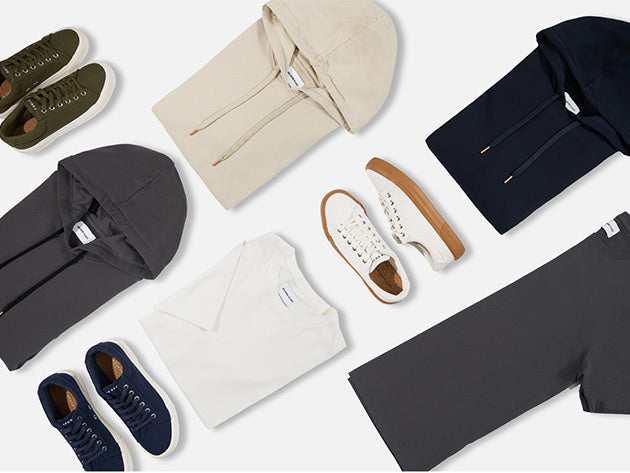
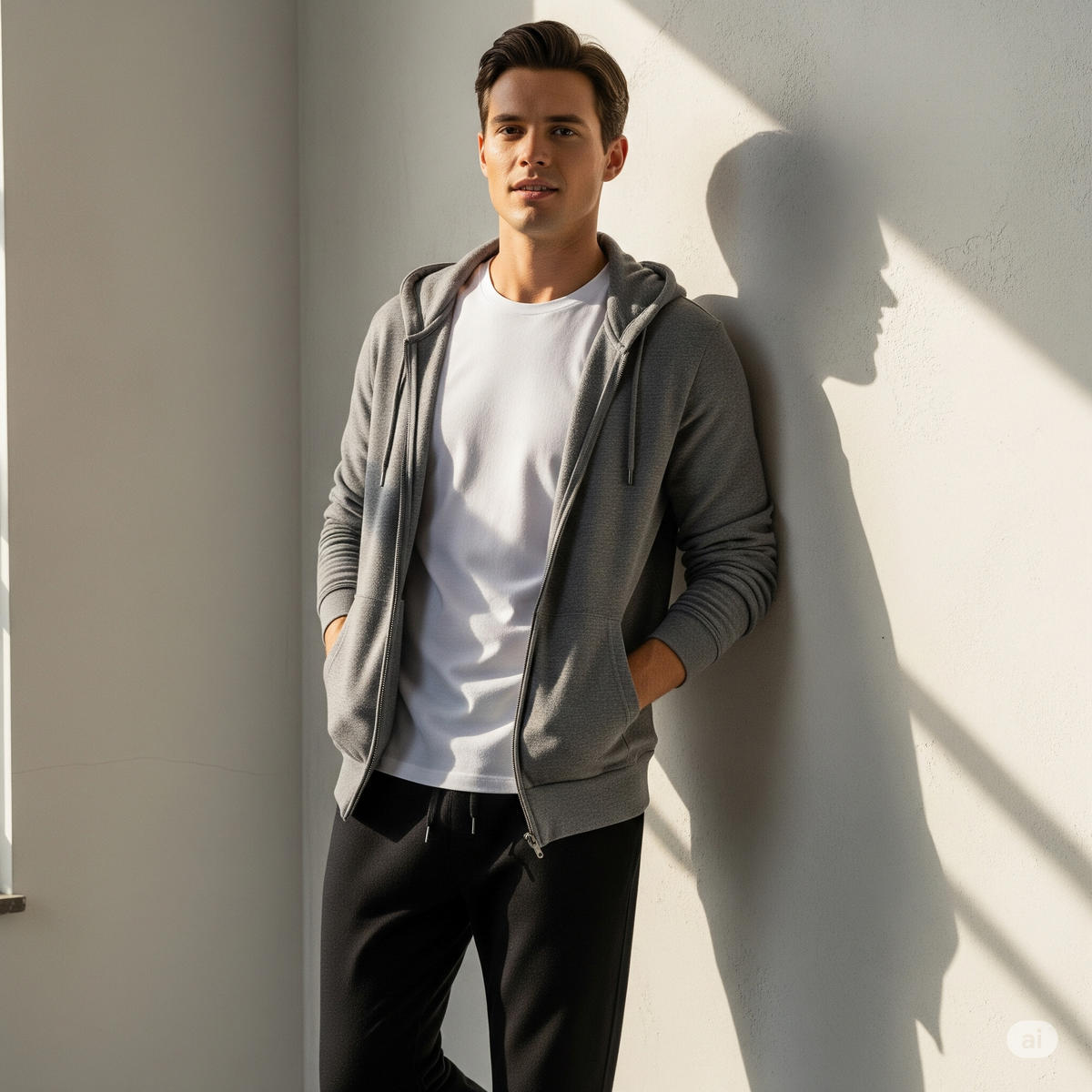
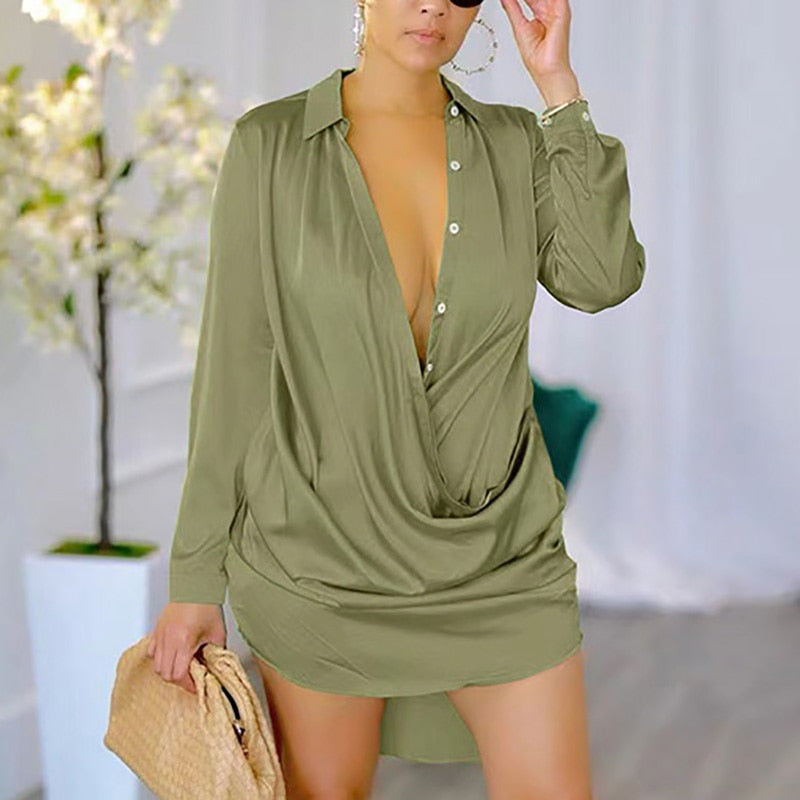


A white tee, loose-fit jeans, and clean sneakers can look like a full fit or like you got dressed in the dark. The difference is usually not a louder graphic or a harder-to-find piece. It is knowing how to layer everyday basics so each item adds shape, contrast, and a little intention.
The best layered outfits still feel easy. You should be able to grab coffee, catch a class, sit through a long shift, then meet people later without needing a full wardrobe change. Start with pieces that already earn their place in your rotation, then build the look around proportion, texture, and the energy you want to bring.
Start With a Clean Base Layer
Every strong layered outfit needs an anchor. For most everyday looks, that is a fitted or relaxed tee, tank, long-sleeve thermal, ribbed top, or lightweight bodysuit. The base is not there to steal the show. It creates the line underneath everything else.
A closer-fitting base works especially well when your outer layers are oversized. Think a ribbed tank under an open button-up, a fitted baby tee beneath a roomy zip hoodie, or a compression-style long sleeve under a boxy graphic tee. The contrast keeps the outfit from reading bulky.
If you prefer a relaxed base layer, keep the next layer structured enough to define the fit. An oversized tee can work under an open bomber or denim jacket, but it needs an intentional hem length. Letting every layer hang at the same point can flatten the whole look. A little stagger, such as a tee peeking out below a cropped jacket, makes basics feel styled instead of stacked.
Color matters here, but it does not have to be complicated. White, black, heather gray, washed charcoal, navy, cream, and muted brown are your reliable foundation shades. They give you room to bring in one standout sneaker, jacket, bag, or hat without making the outfit feel like too many ideas at once.
How to Layer Everyday Basics With Better Proportions
Layering is less about owning more clothes and more about creating a clear silhouette. Before adding a third piece, look at where the outfit is wide, fitted, cropped, long, or heavy. If the top half is oversized, choose a bottom that gives it direction. Baggy cargos with a huge hoodie can look great, but a cropped jacket, visible tee hem, or sharper sneaker helps keep the volume intentional.
A simple rule: balance one loose element with one cleaner one. Pair wide-leg pants with a closer tank and open overshirt. Wear a roomy crewneck with straight-leg denim. Style bike shorts with an oversized zip hoodie and crew socks. The fit should have contrast, not competition.
Length creates the same effect. A short puffer over a longer hoodie makes the layers easy to see. A longline tee under a cropped overshirt adds dimension. For a more polished lane, use a fitted tee under an unbuttoned shirt, then add straight denim and low-profile sneakers. It is still casual, just more put together.
There is no need to force every layer to show. In warmer weather, a tank under an open shirt might be enough. In colder weather, a tee, hoodie, and jacket combination works because each piece has a job. The goal is visual depth, not maximum fabric.
Build Texture Into the Outfit
When your palette is mostly neutral, texture does the styling for you. Cotton jersey, rib knit, washed denim, fleece, nylon, mesh, faux leather, and canvas all catch light differently. That is why an all-black outfit can feel flat in one version and seriously elevated in another.
Try pairing soft with structured. A brushed fleece hoodie looks sharper under a nylon windbreaker. A ribbed knit top gets more interesting with loose denim. A sleek bodysuit under an oversized plaid shirt gives a clean contrast between fitted and relaxed. Even activewear can move beyond gym-only territory when you add a heavyweight overshirt, a cropped jacket, or a clean pair of lifestyle sneakers.
Wash and finish count, too. Faded black denim, vintage-wash tees, and worn-in canvas sneakers create a lived-in streetwear feel. Smooth black leggings, a crisp zip jacket, and fresh white sneakers lean sportier and more polished. Neither is better. It depends on whether the plan is low-key, active, or club-ready.
Use the Middle Layer as Your Style Move
The middle layer is where basics stop being predictable. This is usually your hoodie, cardigan, open shirt, flannel, crewneck, zip-up, denim shirt, or lightweight jacket. It is also the easiest piece to remove when the temperature changes, so it should work tied at the waist or carried in hand.
For an everyday streetwear formula, start with a plain tee and relaxed denim, then add a zip hoodie under a bomber. Keep the colors connected: black tee, washed gray hoodie, black bomber, dark denim, and sneakers with a small hit of color. The outfit feels layered, but it is still built from pieces you will wear separately all week.
For a softer, more fitted look, use a tank or bodysuit as the base, add an oversized button-up or cardigan, and finish with loose trousers or denim. A small shoulder bag and jewelry can make the fit feel deliberate without taking it too far. The oversized layer gives the outfit movement, while the fitted base keeps the shape clean.
For off-duty activewear, wear a matching set or leggings with a cropped tee, then bring in a roomy hoodie or track jacket. This works best when the layers feel related in color, even if they are not identical. Black, gray, espresso, deep green, and cream are easy tonal lanes that look current without trying too hard.
Let Outerwear Set the Mood
Your outer layer decides whether the same basics read sporty, skater-inspired, clean casual, or ready for a late plan. A denim jacket brings texture and a classic edge. A bomber makes simple tees and cargos feel sharper. A lightweight windbreaker pushes the look into athletic streetwear. A faux leather jacket takes a tank and dark denim from daytime to night.
Keep the weather honest. A heavy hoodie under a puffer can look great when it is actually cold, but it is not the move for a mild day just because the mirror says it looks good. In transitional weather, swap the heavy layer for a nylon jacket, an overshirt, or a cropped zip-up. Great style should still let you move, breathe, and live your day.
This is where a curated closet helps. Fashion NetClub collections make it easier to pull across categories, whether your look starts with Essentials X-Her, Essentials X-Him, Freely Activewear, or Club Kicks. A few reliable layers in colors that work together will take you further than a closet full of one-time statement pieces.
Finish With One Intentional Detail
Layering does not end at the jacket. Shoes, socks, bags, hats, and jewelry can either support the outfit or make it feel overloaded. Pick one or two finishing details that match the mood.
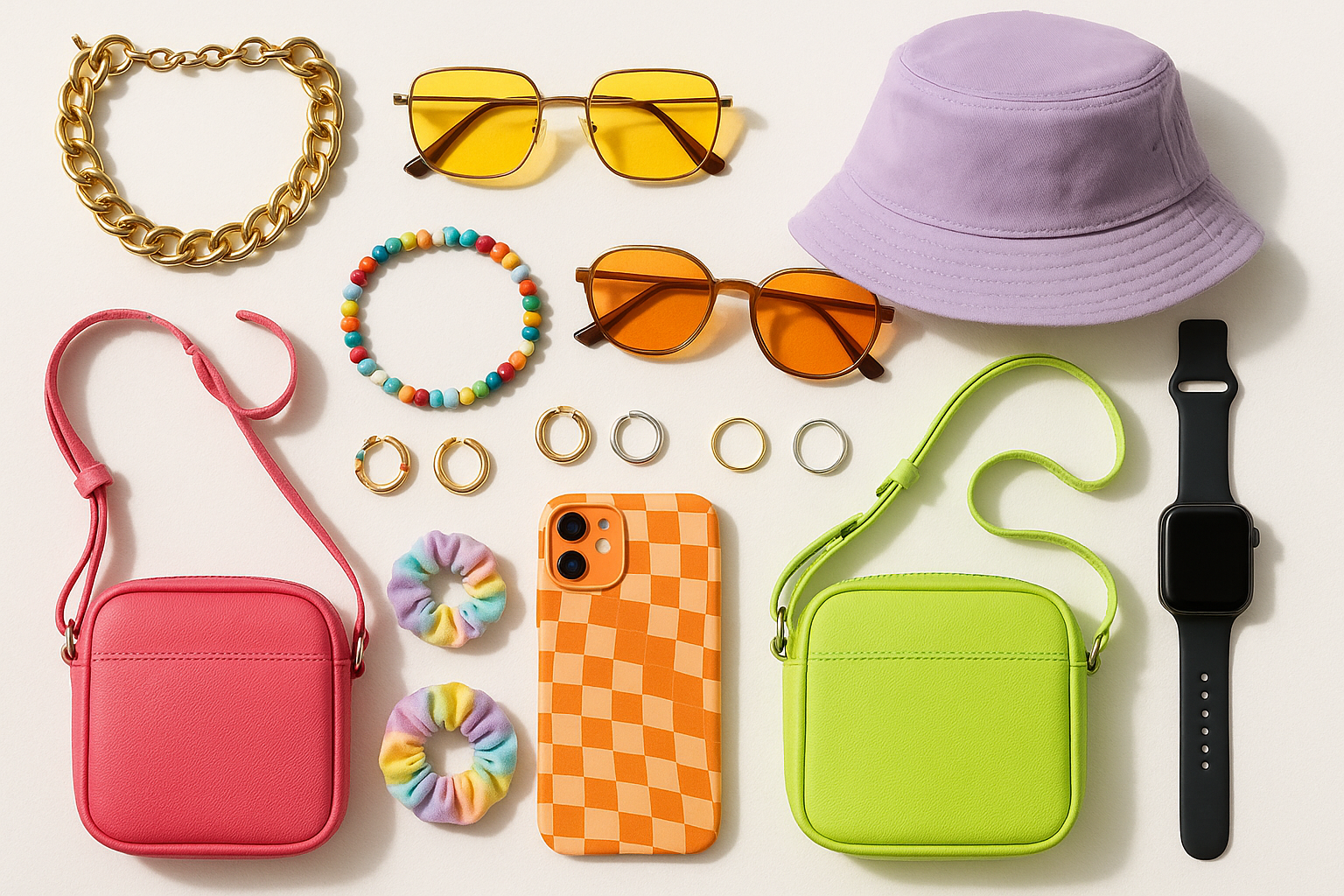
A visible crew sock can bridge the gap between shorts and sneakers. A cap makes a hoodie-and-denim look feel more casual and street-ready. A compact bag adds structure to loose silhouettes. Silver hoops, a chain, or a watch can sharpen a simple tank-and-button-up combo. The key is restraint. If the jacket is loud, keep the accessories quiet. If the outfit is all neutral basics, one standout sneaker can carry the personality.
Also pay attention to the small practical details: clean shoes, sleeves pushed up with purpose, a hoodie hood sitting flat under a jacket, and hems that are not twisted or bunched. Those are the things that make an affordable, everyday outfit look considered.
Make Your Basics Work Harder
The fastest way to improve your outfits is to stop treating basics as filler. A black tank is a base for denim, cargos, sweats, skirts, and an open shirt. A gray hoodie can sit under a coat, over a tee, or with matching joggers. Straight-leg jeans can handle a fitted top, a big crewneck, or a lightweight jacket. When each piece can move through multiple looks, getting dressed becomes more about mood than shopping for a new answer every time.
Build a small rotation around the real version of your week: the sneaker pair you actually wear, the jacket that fits your commute, the pants you can sit in, and the top you feel good in before you leave the house. Then test new combinations in the mirror. The best layered fit is not the one with the most pieces. It is the one that makes your everyday basics feel like they were picked on purpose.
0 comments