

A bodysuit can make a basic jeans-and-sneakers look feel instantly styled, or it can spend the whole day riding up, pulling at the snaps, and killing your mood. Knowing how to choose flattering bodysuits comes down to more than your usual size. The right one follows your shape, supports the areas you want supported, and fits the actual plans on your calendar.
A polished square-neck piece can carry you from class to dinner. A sporty racerback works under cargos for an active, off-duty look. A mesh long-sleeve is built for a Club-Ready Vibe. Same category, completely different energy. Start with fit, then let your neckline, fabric, and styling choices set the mood.
Start With the Fit, Not the Size Tag
Bodysuits are supposed to sit close to the body, but close should never mean restrictive. If the fabric digs into your shoulders, pulls across your chest, creates pressure at the crotch, or keeps shifting when you sit down, size up. A bodysuit that is too small rarely becomes more comfortable after an hour out.
Your torso length matters as much as your bust, waist, or hip measurement. This is why someone can love the fit through the body but still find the snap closure uncomfortably high. Look for adjustable snap closures when you can, especially if you have a longer torso. They give you extra room without making the rest of the silhouette feel loose.
If you are between sizes, use the fabric as your tie-breaker. Stretchy rib knits and cotton-blend jersey can usually handle a close fit. Structured fabrics, coated finishes, denim-look materials, and bodysuits with limited stretch often look better with a little more breathing room. The goal is a smooth line, not a squeezed-in effect.
Choose a Neckline That Frames Your Features
The neckline is the fastest way to change how a bodysuit reads. It directs attention upward, frames your face, and can balance proportions without any complicated styling rules.
A scoop or V-neck creates an open, elongated look and works especially well when you want to show a little skin without going full going-out top. A deeper V brings more drama, while a modest scoop is easy for everyday layering. If you have a fuller bust, choose a V that feels secure at the center and has enough coverage at the sides so you are not adjusting it all night.
Square necklines are a major win when you want a clean, elevated shape. They highlight the collarbone, give structure to softer curves, and look sharp with straight-leg jeans, mini skirts, or tailored pants. A square-neck bodysuit in a substantial rib fabric has that polished look without feeling overdressed.
High necks and mock necks create a sleek, fashion-forward line. They are great with baggy denim, parachute pants, or a mini skirt because the covered top half balances out a more leg-forward bottom. The trade-off is that a high neckline can feel more fitted around the chest and neck, so choose soft stretch fabric if comfort is a priority.
For an activewear-inspired fit, halter and racerback bodysuits put the shoulders in focus. They work when you want a confident, sporty silhouette, but bra options can be limited. Consider built-in support, removable cups, or a bra style designed to stay hidden under the cut.
Pick Fabric Based on the Look You Want
Fabric controls both comfort and visual impact. A bodysuit can be the base layer of an outfit, but it is still front and center. Choose a material that matches your vibe and your plans.
Cotton and cotton-blend jersey are the everyday move. They feel breathable, layer easily, and pair naturally with denim, sweats, cargos, and sneakers. Ribbed versions add texture and hold their shape better than thin, flat jersey. For a relaxed but pulled-together Essentials X-Her kind of outfit, this is the lane.
Smoothing fabrics with nylon, spandex, or a shapewear-inspired blend create a cleaner, more sculpted finish. They are ideal under low-rise jeans, leather-look pants, or fitted skirts because they reduce bunching at the waist. Just do not confuse compression with a flattering fit. Light to medium support usually looks smoother and feels far better than fabric that makes movement a mission.
Mesh, lace, and sheer fabrics bring the statement factor. They are made for layering over a bralette or under a blazer, bomber, or oversized button-up. With sheer bodysuits, check where the lining stops and where seams sit. A design can look cool on a hanger but feel too exposed for your comfort zone once it is on.
Satin, faux leather, and glossy stretch finishes are your night-out fabrics. These styles catch light and make even simple black pants feel intentional. Because they show wrinkles, seams, and fit issues more easily, pay extra attention to the torso length and how the fabric sits across the bust.
Get the Support Situation Right
A flattering bodysuit should let you stop thinking about your bodysuit. That means choosing support based on the design, not forcing your everyday bra into every neckline.
For thicker ribbed or double-lined styles, you may be comfortable without a bra or with simple nipple covers, depending on your support needs. Bodysuits with built-in shelf bras can be convenient for casual outfits and low-impact days, though they may not provide enough hold for everyone. If you prefer more support, look for adjustable straps, wider shoulder straps, or designs that can accommodate a strapless or plunge bra.
Open-back, one-shoulder, and halter styles are where planning pays off. A convertible bra, adhesive option, or bodysuit with built-in shaping can keep the look clean. If the support solution feels complicated before you leave home, it probably will not feel better later. A different neckline may serve the same vibe with less stress.
Use Color and Detail to Direct the Eye
Black is a forever staple because it is easy to style, but flattering does not have to mean hiding in black. The best color is one that makes your skin look awake and works with the bottoms you wear most.
Neutrals like espresso, cream, charcoal, and olive are easy outfit builders. Bright red, cobalt, lime, or hot pink can turn a basic silhouette into the whole point of the look. If you are new to bold color, start with a simple neckline and clean fabric. Let one element make the statement.
Details matter, too. Vertical ribbing can create a longer visual line. Strategic ruching can add texture and shape through the waist. A wrap front can bring definition to the bust. Cutouts put attention exactly where they sit, which can be a flex if that is the mood, but make sure they stay in place as you move. Try the sit, reach, and twist test before you commit.
Style the Bodysuit for Your Actual Plans
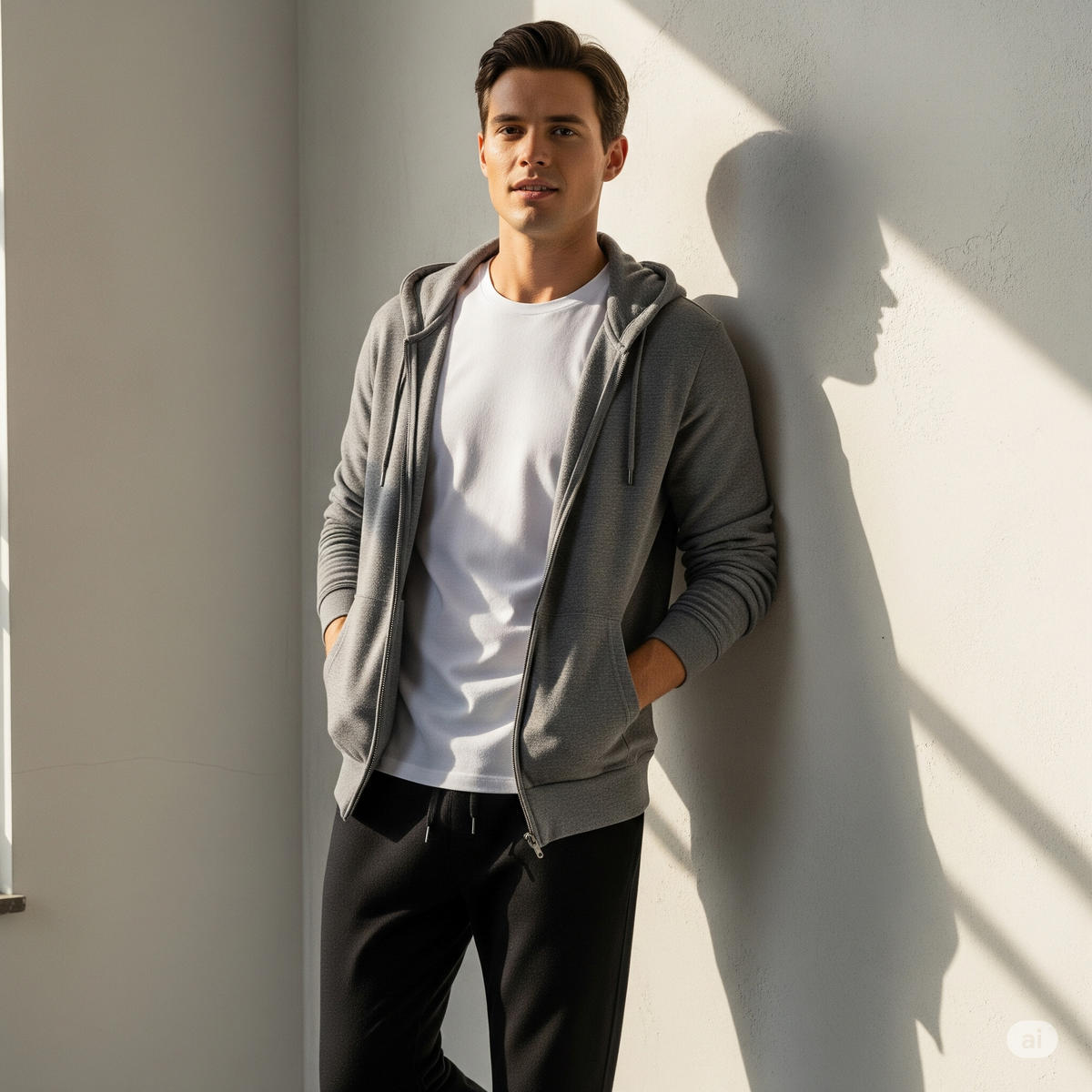
The most flattering bodysuit is the one that works with your wardrobe instead of becoming a one-look purchase. For daytime, pair a fitted tee-style or scoop-neck bodysuit with relaxed jeans, a zip hoodie, and your favorite kicks. The contrast between a close-fitting top and looser bottoms gives the outfit an easy, current proportion.
For a sharper look, use a square-neck or high-neck bodysuit as the base under wide-leg trousers and an oversized blazer. The bodysuit keeps the waist clean, while the outer layers bring structure. Add hoops, a shoulder bag, or sleek sneakers depending on whether the plan is desk, dinner, or both.
For night, a sheer, corset-inspired, one-shoulder, or faux-leather bodysuit has enough presence to carry simple bottoms. Keep the rest of the outfit focused: dark denim, a mini, cargos, or tailored pants. When the top has cutouts, shine, or texture, you do not need five more competing details.
At Fashion NetClub, think of bodysuits as the connector piece between your activewear comfort, streetwear staples, and going-out rotation. One that fits right can make the items already in your closet feel new again.
A Quick Check Before You Keep It
Before removing tags, wear the bodysuit around your room for a few minutes. Raise your arms, sit down, bend, and layer it under the jacket or jeans you would actually wear. Check for gaping at the neckline, rolling at the edges, visible seams, and snap closures that feel too tight.
Also check it in different lighting. A light-colored or thin bodysuit may be more sheer than it looked in your bedroom mirror. That does not automatically make it a no, but it tells you whether you need a nude underlayer, a jacket, or a different fabric for the setting.
The right bodysuit should feel like the easiest part of getting dressed: fitted, comfortable, and ready to move when the plans change. Choose the shape that makes you stand taller, then build the rest of the look around that energy.

0 comments