

A bralette can be the invisible base of an outfit, the detail that makes an oversized button-down feel intentional, or the piece you want showing under a sheer top. The difference comes down to choosing one that works with your body, your plans, and your style - not just the color that looked good in a scroll.
If you are figuring out how to choose bralettes, start with the moment you want to wear one. A soft ribbed triangle bralette for a low-key coffee run has different priorities than a longline lace style under a going-out top. Once you know the job, the right fit and fabric get much easier to spot.
How to Choose Bralettes for Your Real Life
Bralettes are not one-size-fits-all in function. Some are made for lounging, some are designed to be seen, and some land in the sweet spot between a bra and a cropped top. Buying based only on the photo can leave you with a piece that is cute but spends its life in the back of a drawer.
Think about your most common outfits first. If you live in tees, hoodies, and relaxed layers, a smooth, wireless bralette with wide straps is an easy everyday move. If your closet leans mesh tops, open-back knits, off-the-shoulder pieces, or low-cut tanks, focus on straps, necklines, and bands that look good on purpose.
For active days, do not treat every bralette like workout gear. A fashion bralette may offer light support and soft comfort, but it will not necessarily control bounce during a run, HIIT class, or court session. Save higher-support active styles for training and use lifestyle bralettes for walking, stretching, errands, or post-gym looks.
Decide How Much Support You Actually Want
Support mostly comes from the underband, fabric structure, cup shape, and straps. A thin elastic band and unlined stretch fabric create a barely-there feel, which can be perfect for lounging or small-bust support. A wider band distributes pressure more evenly and usually feels more secure throughout the day.
If you want more hold without an underwire, look for longline silhouettes, double-lined fabric, a firm rib knit, adjustable straps, or removable pads. A V-neck style can give a little shape while staying soft. A square-neck bralette often feels more anchored because it tends to have broader straps and more coverage across the chest.
More coverage is not automatically more supportive, though. The band needs to fit. If it rides up your back, rolls under the bust, or shifts when you raise your arms, the size or construction is not doing its job.
Get the Fit Right Before You Commit
A bralette should feel snug at the band and relaxed enough at the bust that it does not dig, flatten, or spill over. Unlike a traditional bra, many bralettes come in XS through XL or extended alpha sizing, so the fit can vary a lot from one style to the next. Your usual clothing size is a starting point, not a guarantee.
Take a quick check of your underbust measurement, then compare it with the brand's size chart. If your bust and underbust land in different size ranges, choose based on the part that needs the most room and prioritize adjustable details. A bralette that is slightly roomy in the cup can be easier to manage than a band that feels too tight after an hour.
Try the movement test when you put one on. Reach overhead, twist side to side, sit down, and take a full breath. The straps should stay put without carving into your shoulders. The band should remain level. The neckline should lie close to your body, especially if you plan to layer it under a fitted top.
Watch for These Fit Clues
A few details reveal a lot before you even leave the mirror:
- Side spillage or a band that digs in usually means you need more room or a more flexible cut.
- Gaping at the neckline can mean the cups are too large, too tall, or not shaped for your chest.
- Straps that slip constantly may need adjustment, but they can also signal that the overall fit is too loose.
- A band that rolls is often too narrow for the level of support you want, especially with very soft fabric.
Pick Fabric Based on the Vibe and the Weather
Fabric changes everything. Cotton and cotton blends are breathable, low-maintenance, and easy for everyday rotation. They are the move for school, work-from-home days, long flights, and wearing under relaxed basics. Ribbed textures add a little visual depth when the bralette is meant to peek out.
Seamless nylon or microfiber styles are smoother under fitted tees, bodycon dresses, and lightweight knits. They often stretch well, but very thin seamless fabric may offer less definition for fuller busts. Double layers or a wider lower band can make the difference.
Lace, mesh, and sheer fabrics bring the Club-Ready Vibe. They are ideal when a visible strap, edge, or neckline is part of the outfit. The trade-off is that these materials may be less forgiving under thin tops and may need gentler washing to keep their shape. If texture is the statement, let it show rather than trying to hide it under a clingy shirt.
For warmer days, look for breathable blends and avoid heavy padding. For colder seasons, a soft longline bralette can double as a layer under cardigans, flannels, and zip hoodies without adding the bulk of a traditional bra.
Match the Neckline to the Outfit
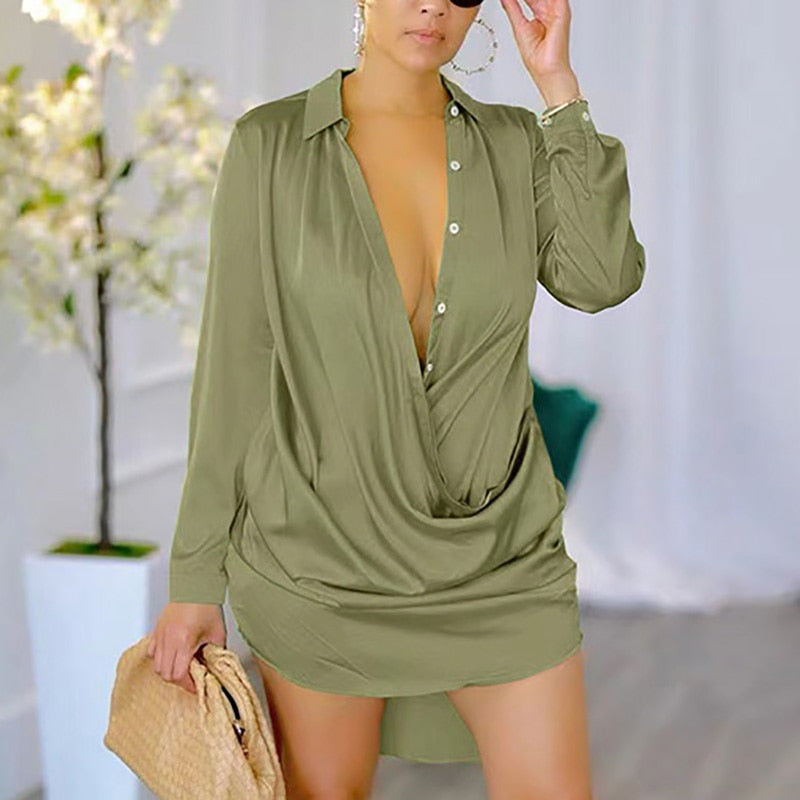
The right bralette can make a tricky neckline easy. A V-neck bralette works naturally with wrap tops, open shirts, and low-cut sweaters. A straight or square neckline looks clean under tanks, blazers, and wide-neck tees. Halter and racerback options solve the problem of straps showing under open-back or athletic-inspired pieces.
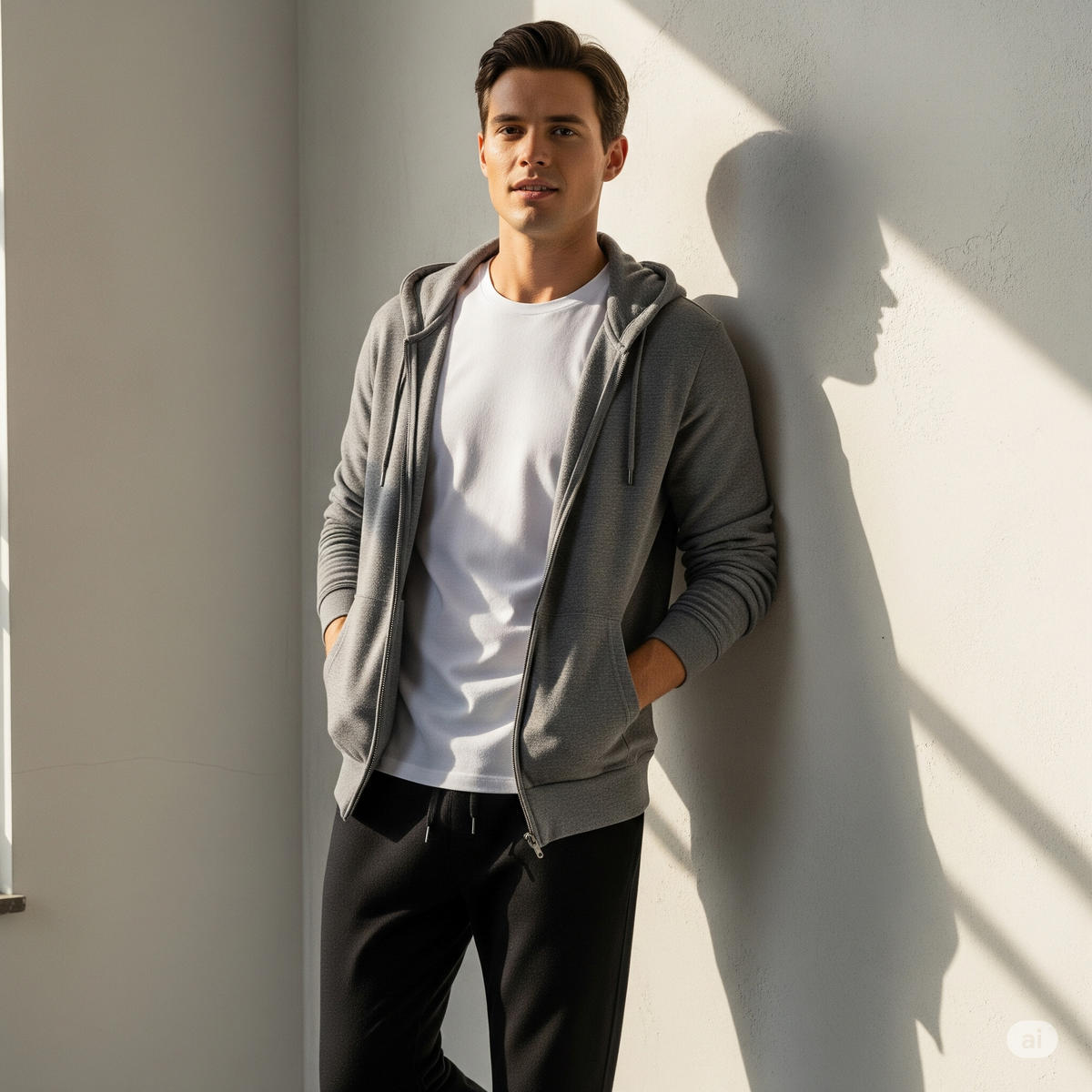
Want the bralette to be visible? Make it a clear styling choice. Pair a black lace longline piece with a loose white button-down and jeans, or let a contrast-color strap show under an oversized tank. A matching set can also turn a simple layer into a full look, especially when you are styling it with sweatpants, cargos, or an unzipped track jacket.
Want it to disappear? Choose a shade close to your skin tone, a smooth finish, and a neckline that sits below your top. White under white is not always invisible. Nude tones usually blend better, while black works best under darker fabrics.
Know When a Bralette Is Not the Best Option
Bralettes are about freedom, but they do not have to replace every bra in your drawer. A structured underwire bra may still be the better call for a formal event, a long office day, a highly fitted dress, or any outfit where you want more lift and shaping. That is not a style fail - it is just dressing for the assignment.
The same goes for high-impact workouts. If your workout includes running, jumping, or fast directional movement, choose a sports bra designed for that intensity. A soft bralette can still be a great post-workout layer, but it should not be asked to do more than it was made to do.
Build a Bralette Rotation, Not a Random Pile
The easiest way to shop is to cover a few different needs instead of collecting near-identical styles. Start with an everyday neutral in a fabric you can wear for hours. Add one smooth style for close-fitting outfits, one higher-coverage or longline option for extra hold, and one statement piece for layers that are meant to be seen.
That gives you range without overthinking every outfit. A Studio Skinwear-style edit should feel like your closet: comfortable enough for real plans, current enough for the camera roll, and confident enough to show a little skin when the look calls for it.
Choose the bralette that makes you forget about adjusting it and makes the outfit feel more like you. That is the one that will earn a repeat spot in your rotation.
0 comments