

You can have the hardest sneakers in the room and still miss the outfit. That is usually where people get stuck with how to build sneaker outfits - they start with the shoes, then throw on whatever is clean, hoping the look carries itself. Sometimes that works. Most of the time, it feels off. The better move is treating sneakers like the anchor, then building shape, color, and attitude around them so the whole fit looks intentional.
Sneaker outfits work when everything around the pair supports the same energy. A chunky retro runner asks for different proportions than a sleek low-top. Clean white sneakers can sit inside almost any look, but loud colorways need more restraint somewhere else. There is no single formula that wins every time, but there are a few style rules that make getting dressed a lot easier.
How to build sneaker outfits without overdoing it
The first thing to lock in is the role your sneakers are playing. Are they the main event, or are they there to finish the outfit quietly? If you are wearing a high-heat pair, let them have space. That usually means cleaner layers, fewer competing graphics, and a tighter color story. If the sneakers are simple, the rest of the fit can do more heavy lifting through texture, silhouette, or statement pieces.
This is where a lot of outfits go wrong. People try to match every color in the shoe exactly, and the result feels forced. Instead, pull one shade from the sneakers and repeat it once or twice across the outfit. That creates connection without turning the look into a costume. If your pair has gray, black, and a hit of green, maybe the pants stay black and the top picks up the green in a subtle way. That is enough.
Proportion matters just as much as color. Bulkier sneakers usually look better with pants that have some width or structure. Think cargos, relaxed denim, parachute pants, or straight-leg sweats. Slim shoes can handle cleaner lines - fitted joggers, straight jeans, mini skirts with socks, or tailored shorts all make sense. When the shape of the shoe fights the shape of the clothing, the whole outfit starts looking accidental.
Start with the sneaker category
Not every sneaker builds the same kind of fit. If you want more consistent outfits, sort your pairs by vibe instead of brand.
Retro basketball sneakers
These bring weight and nostalgia, so they work best with pieces that can hold their own. Baggy denim, cargo pants, oversized hoodies, varsity jackets, and boxy tees all fit naturally here. If you go too fitted from head to toe, the shoes can look oversized in the wrong way.
For women, retro basketball sneakers also work well with contrast styling. A fitted tank, mini skirt, and crew socks can make the shoes feel sharper instead of heavy. For men, a roomy tee and stacked jeans is a reliable base that still feels current.
Running sneakers and tech runners
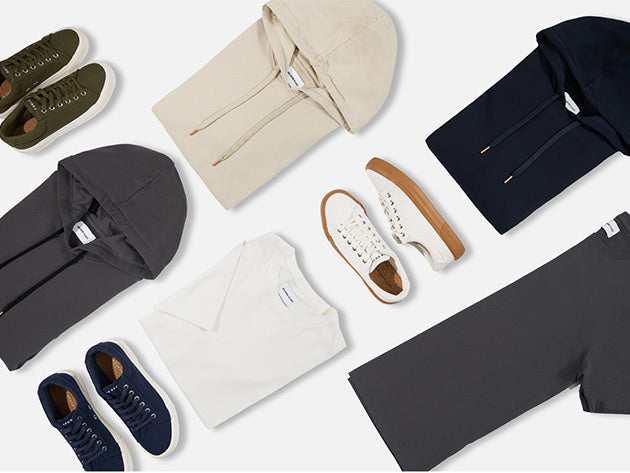
These are cleaner and faster visually, which makes them easy with activewear, nylon pants, lightweight layers, and sport-driven basics. This is where tonal dressing hits. A monochrome base in black, gray, cream, or olive lets the shape of the sneakers stand out without getting loud.
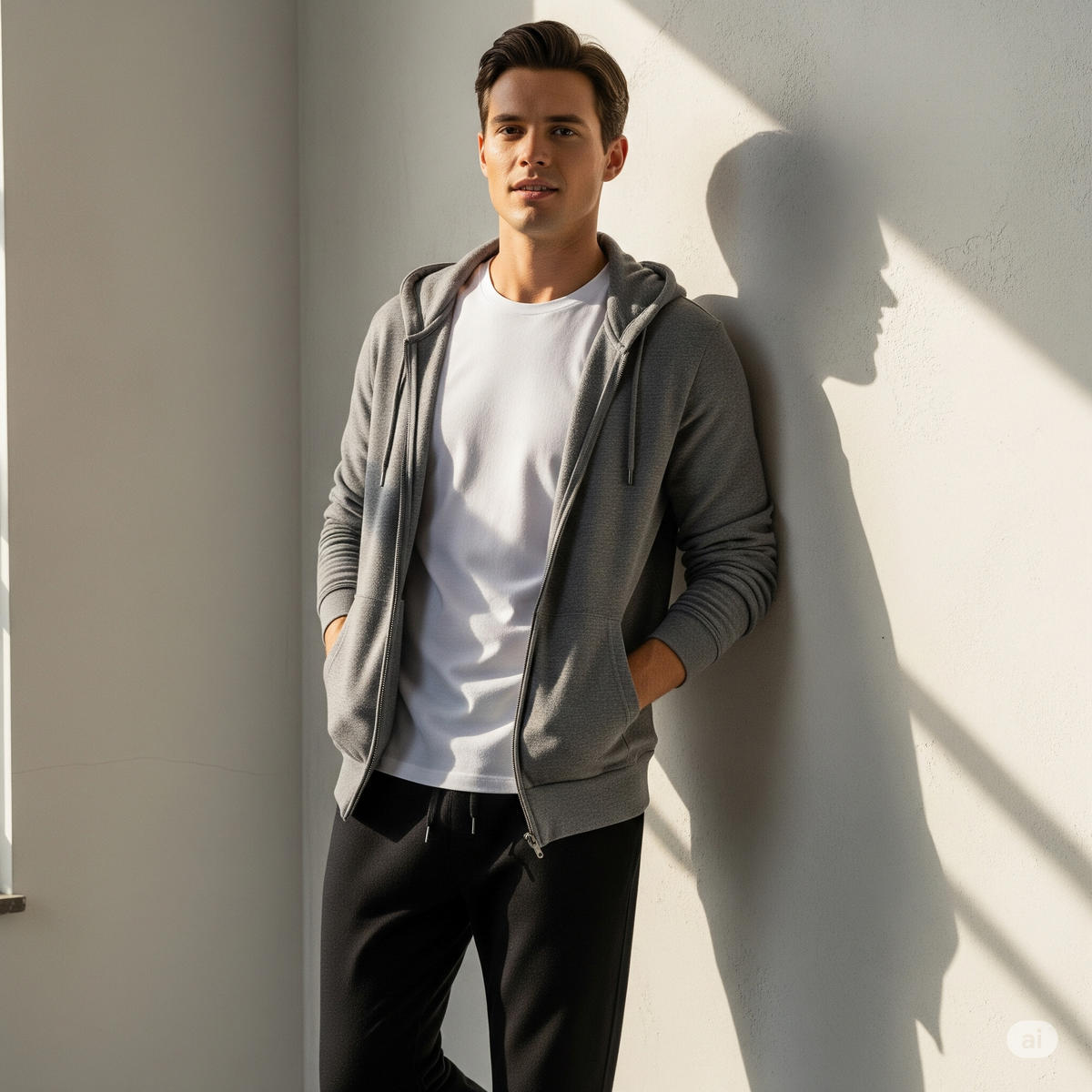
If the runner is bright or heavily paneled, keep the rest of the outfit calm. If the runner is neutral, you can push the outerwear more - a statement windbreaker, zip hoodie, or track jacket works.
Minimal low-tops
This is the easiest category to style and also the easiest to make boring. Minimal sneakers look best when the outfit has some edge somewhere else. That could be oversized trousers, a cropped jacket, layered jewelry, a heavyweight tee, or elevated basics with sharper fit.
These pairs are great if you want a look that moves from daytime errands to dinner or a casual night out. They are less about hype and more about clean finish.
Build from the ground up
If you are serious about learning how to build sneaker outfits, start from the bottom half first. Pants decide whether the shoes look right more than your top does.
Baggy jeans are one of the safest choices because they create that easy streetwear line most sneakers want. The denim breaks naturally around the shoe, and the volume balances bulkier soles. Straight-leg pants do something similar with a cleaner finish. Cargo pants add utility and texture, which works especially well with retro and trail-inspired pairs.
Sweats can look great too, but only when the fit feels intentional. Heavyweight joggers with a cuff can frame the sneaker well. Wide-leg sweats create a relaxed silhouette that feels current, especially with a fitted top or cropped hoodie. The trade-off is that cheap fabric or awkward bunching can drag the whole fit down fast.
Shorts are trickier but not off-limits. Basketball shorts, nylon shorts, and relaxed denim shorts all pair naturally with sneakers, especially when crew socks help bridge the gap. The key is making sure the shorts match the energy of the shoe. Sleek lifestyle sneakers with stiff tailored shorts can work, but only if the rest of the outfit leans clean and minimal.
Keep the color story tight
A strong sneaker outfit usually has one of three color approaches. It is either tonal, contrast-based, or anchored by one accent color.
Tonal looks are the easiest to get right. Black on black, shades of gray, cream and tan, washed olive, or all-white-adjacent layers give sneakers a clean setting. This makes even louder shoes feel more wearable.
Contrast looks are bolder. That could mean black sneakers with light-wash denim and a white tee, or cream runners with dark cargos and a bright jacket. Contrast works best when the outfit still feels edited. Too many hard breaks in color can make the fit feel chopped up.
Accent color dressing is where one shade from the sneakers gets echoed somewhere else. This is usually the strongest move when the shoes have a standout detail. A red hit on the sneaker can come back in a graphic, hat, bag, or jacket lining. Keep it controlled. One repeated accent looks smart. Four repeated accents looks like you tried too hard.
The top half should support the mood
Once the shoes and pants make sense together, the top should reinforce the same lane. A graphic tee gives sneakers a casual, culture-driven feel. A hoodie adds volume and comfort. A cropped top, fitted tee, or ribbed tank can sharpen the outfit when the bottom half is loose. Bomber jackets, denim jackets, and lightweight puffers all bring structure if the look needs another layer.
This is also where you decide how polished or laid-back the fit should feel. If your sneakers are sporty but you want the outfit to feel elevated, swap the oversized hoodie for a clean zip jacket or structured overshirt. If your sneakers are simple and the outfit needs more personality, a bold graphic or texture on top can fix that quickly.
Fashion NetClub's whole lane is built around this kind of styling logic - trend-led pieces that are easy to wear right now, not six months ago. That matters because sneaker outfits live or die on timing. The right silhouette makes a basic pair look fresh. The wrong one dates the whole fit.
Accessories finish the outfit, but they should not fight it
Socks matter more than people admit. Visible white crew socks are a classic for a reason, but black, gray, or logo socks can shift the vibe depending on the shoe and pant length. If the outfit is already busy, keep the socks simple.
Bags, hats, and jewelry should follow the same rule as color repetition - support, do not compete. A crossbody bag, fitted cap, or chain can make the look feel complete. Too many add-ons can crowd the sneakers, especially if the shoes already have strong color blocking or texture.
A few outfit formulas that actually work
If you want fast formulas, here are the ones that consistently deliver. A retro sneaker with baggy jeans, a boxy tee, and a bomber jacket is hard to mess up. A clean runner with nylon pants, a fitted tank or tee, and a zip hoodie feels current without trying too hard. A minimal low-top with straight trousers, a heavyweight tee, and a cropped jacket gives you a cleaner street look that still feels easy.
For a more styled-up option, pair statement sneakers with a monochrome outfit and let the shoes do the talking. For a softer everyday fit, go with neutral sneakers, relaxed sweats, and one sharp outer layer to keep the outfit from feeling lazy.
What to avoid when building sneaker outfits
The biggest mistake is forcing a match instead of building a look. Exact-match outfits can feel dated fast unless the styling is very deliberate. Another miss is ignoring silhouette. Great sneakers cannot save awkward pant breaks, too-skinny fits that fight the shoe, or oversized layers that swallow everything.
The other thing to watch is trend overload. Stacked details, loud graphics, statement accessories, and wild sneakers all at once usually read messy, not fashion-forward. Pick one area to go big, then keep the rest balanced.
Style gets better when you stop asking whether the sneakers go with the outfit and start asking whether the whole outfit shares the same energy. That is the real switch. Once you see sneakers as part of a full shape, not a separate flex, getting dressed gets a lot easier.
0 comments