

Most closets are full, but somehow the fit still feels off. You have the statement jacket, the one-night-out top, the sneakers you baby like collectibles - and still end up wearing the same few pieces on repeat. That is exactly why an everyday essentials wardrobe guide matters. The goal is not to dress boring. It is to build a lineup that keeps up with real life, still looks current, and makes getting dressed feel easy instead of random.
The best essentials are not the pieces nobody notices. They are the ones that hold the whole look together. In streetwear, activewear, and everyday style, the base layer matters as much as the flex piece. A clean tee changes the energy of cargos. The right hoodie makes denim look intentional. A fitted tank under an open shirt can carry a whole late-afternoon-to-late-night switch.
What an everyday essentials wardrobe guide should actually do
A good wardrobe guide should save you from two extremes - buying basics so plain they kill your style, or chasing trends so hard that nothing in your closet works together. Everyday essentials sit in the middle. They are wearable on a Monday coffee run, a Friday dinner, a campus day, a work-from-home shift, or a quick airport fit.
That means your essentials need range. They should layer well, survive repeat wear, and still feel aligned with what is current. Oversized shapes, fitted rib textures, clean neutrals, washed finishes, and sport-driven details all matter here. Basic does not mean outdated. It means useful.
Start with the pieces you reach for first
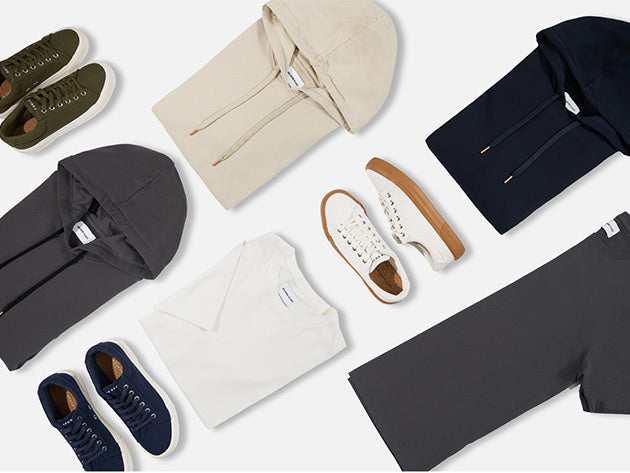
If you are rebuilding your closet, do not start with occasionwear. Start with the pieces you already wish were clean, folded, and ready every time. Usually that means tees, tanks, hoodies, sweats, denim, leggings, shorts, and everyday sneakers. For some people, a soft bralette or streamlined bodysuit belongs in that first group too. For others, it is a light zip-up, mesh shorts, or an overshirt.
The easiest test is simple. Ask what you wear twice a week when you are not trying too hard but still want to look good. That is your essentials category.
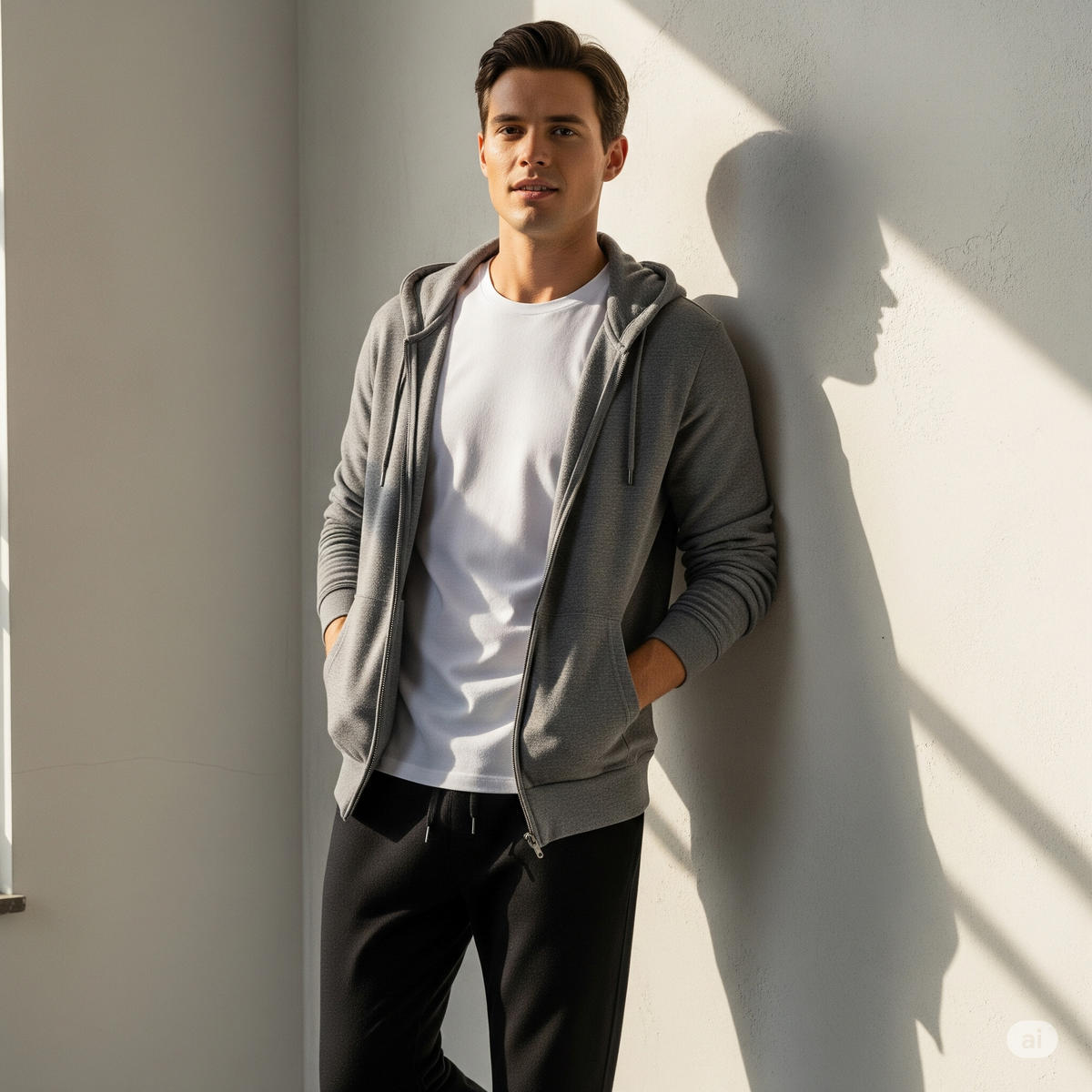
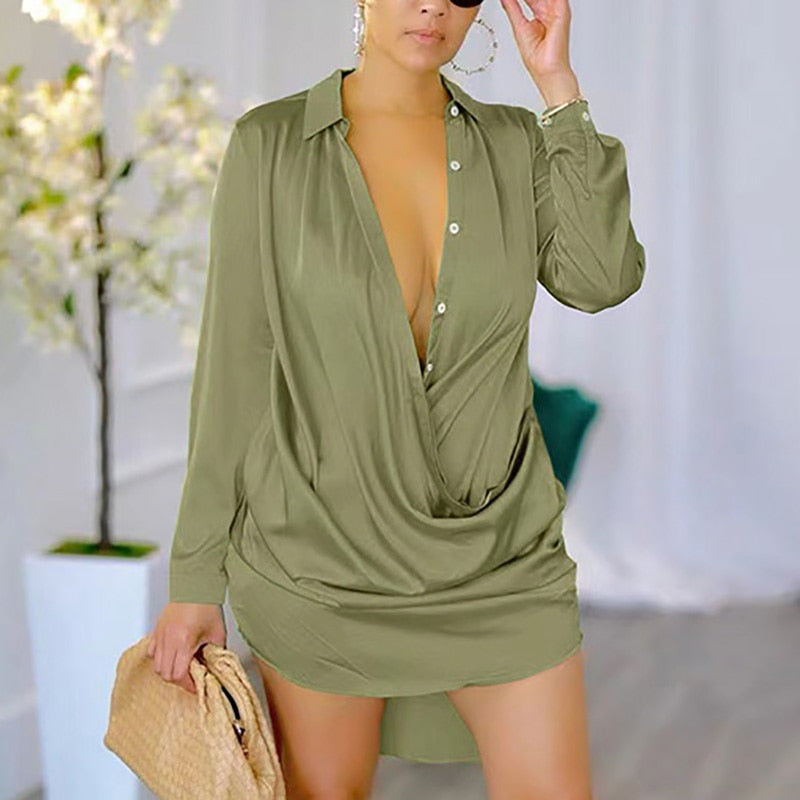
For women, a strong base often includes fitted tanks, baby tees, oversized graphic or clean neutral tees, biker shorts, straight-leg jeans, wide-leg pants, leggings, a cropped hoodie, and one easy layer like a zip jacket or button-up. For men, it usually starts with heavyweight tees, athletic shorts, joggers, straight or relaxed denim, a dependable hoodie, a clean sweatshirt, and a lightweight jacket that works with sneakers.
None of these need to be ultra minimal. The cut is what makes them feel current. A tee that hits right at the sleeve, a hoodie with the right drop shoulder, or pants with a cleaner break at the shoe can do more for your look than a louder item with no styling range.
Fit is the whole game
People talk about essentials like color is everything, but fit is what decides whether a piece feels basic or styled. The same white tee can read gym bag leftover or clean off-duty depending on shape, drape, and proportion.
Oversized works, but only when it feels intentional. If your top is loose, balance it with structure somewhere else - a fitted tank, sharper denim, or a more compact sneaker. If you like a slim or cropped top, pair it with relaxed bottoms so the outfit still has movement. This is where a lot of closets miss. Too many pieces live in the same fit family, so every outfit feels one-note.
An everyday wardrobe should give you options across silhouettes. You want at least a few fitted pieces, a few relaxed ones, and a few that layer cleanly. That range makes repeating items look fresh instead of repetitive.
The color story that keeps everything wearable
The easiest way to make essentials work harder is to keep your core color palette tight. That does not mean all black, all beige, all the time. It means building around shades that naturally mix.
Black, white, gray, cream, washed olive, navy, and denim tones do a lot of heavy lifting. Brown and muted stone shades are also strong if your style leans more elevated comfort than sporty. Once that base is set, one or two seasonal colors can carry the trend energy - maybe powder blue, bold red, faded green, or a sharp silver-gray.
If every essential is in a different loud color, getting dressed turns into a puzzle. If everything is too neutral, the closet can start feeling flat. The sweet spot is a grounded base with enough contrast to keep it alive.
Your everyday essentials wardrobe guide by category
Tops should do most of the styling work because they sit closest to the eye. Stock up on tees in a mix of clean and statement-lite versions. A plain heavyweight tee, a rib tank, a fitted short-sleeve top, and one hoodie you would wear three days straight if nobody judged you - that is a solid start. Bodysuits and long-sleeve basics are also clutch if you like sharper layering.
Bottoms need more variety than people think. One pair of jeans is not a wardrobe plan. You want at least one relaxed denim fit, one cleaner pant or legging option, and one comfort-first piece like joggers or soft shorts. If your lifestyle includes classes, creative work, or running around the city, cargos and utility-inspired pants earn their place fast.
Layers are where style gets more personal. A zip hoodie, bomber, denim jacket, flannel overshirt, or track jacket can each count as an essential depending on your lane. The right layer turns a simple base look into something with point of view.
Shoes are not the focus of this guide, but they affect every essential you own. Your closet works better when at least one sneaker pairs cleanly with almost everything. If every shoe is a statement shoe, the basics lose their flexibility.
Buy less, but buy for repeats
A lot of people overbuy basics because they are trying to fix styling problems with volume. More black tees are not always the answer. Sometimes the answer is one better black tee, one better pair of pants, or a hoodie that actually fits the look you want.
When shopping for essentials, think in repeats. Can you wear this at least twice a week in different ways? Can it work with your current denim, activewear, or outerwear? Can it move from low-key daywear to a more styled night fit with just a swap in shoes or accessories?
That is where a curated approach beats a random haul. Fashion NetClub gets the appeal of trend-right discovery, but your essentials lineup should still feel edited. New and trending is only useful if the pieces can slot into your real rotation.
Where trend pieces fit into an essentials closet
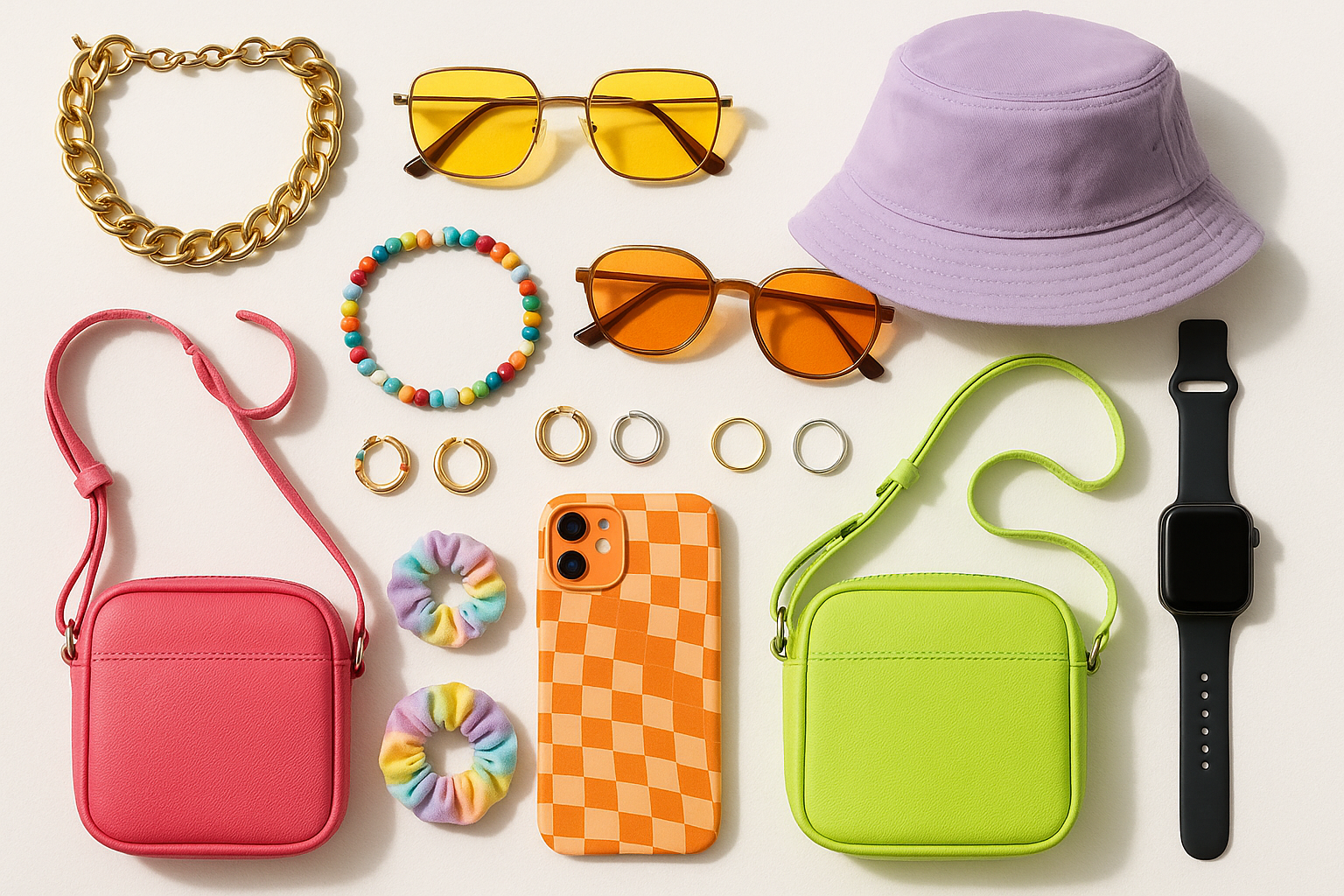
Essentials are the base, not the whole personality. You still need the pieces that add heat. Maybe that is a cropped moto jacket, a bold sneaker, a metallic bag, mesh detailing, racing stripes, or a graphic set. The difference is that trend pieces work better when the rest of your closet is stable.
Think of essentials as the crew that makes your standout pieces easier to wear. If you own great basics, a trend item gets more airtime because it has more to pair with. If you do not, it usually becomes an outfit orphan - cool in theory, untouched in practice.
This is also where it depends on your style habits. If you live in streetwear and sneakers, your essentials might include more oversized tees, cargos, and sweats. If your fits lean cleaner and more fitted, your essentials may center on ribbed knits, bodysuits, slim layers, and straight-leg pants. There is no single correct formula. The right guide is one that matches how you actually move.
Keep the closet current without rebuilding it every season
The smartest essentials wardrobes evolve in small moves. You do not need to start over every few months. You just need to update shape, color, or texture in a way that keeps the lineup fresh. Swap a skinny jogger for a more relaxed leg. Add a washed hoodie instead of another flat-color one. Trade a basic tank for a ribbed or contrast-trim version.
This matters because trend relevance usually shows up in subtle details first. Hem length, shoulder shape, fabric weight, waistband style, and finish can date a piece faster than the category itself. A tee is always useful. The wrong tee can still make the whole outfit feel behind.
Take inventory every few months and be honest. Which pieces still get worn? Which ones survive styling changes? Which purchases looked good online but never became part of your life? That check-in keeps your wardrobe sharp.
The best everyday closet is not massive. It is reliable, current, and easy to style at speed. When your essentials are right, the whole week gets easier. You stop forcing outfits and start wearing pieces that already know how to show up.
0 comments