

A swim coverup should do more than hide your suit between dips. Knowing how to wear swim coverups means building a look that can move from pool chair to boardwalk coffee run without looking like you grabbed the nearest oversized tee. The right layer gives your swim fit a point of view - sporty, minimal, resort-ready, or fully Club-Ready Vibe.
The key is treating your coverup like an outfit piece, not an afterthought. Start with the mood of your swimsuit, then add shape, texture, and accessories that make sense for where the day is actually going.
How to Wear Swim Coverups Without Losing the Look
Your coverup should either echo your swimsuit or intentionally contrast it. A sleek black one-piece looks sharp under an open white button-down, a sheer black maxi, or relaxed black mesh pants. A bright printed bikini can handle a simple solid sarong or breezy linen-blend shirt that lets the color do the work.
Think about proportions before you leave the house. If your swimsuit is high-cut, a longer coverup can balance the look. If you are wearing a fuller one-piece or tankini, an open, lightweight layer keeps the silhouette from feeling too covered. The goal is not to hide your swimwear. It is to frame it.
Color is the easiest way to make the outfit feel intentional. Match your coverup to one small color in a print, choose a neutral that works with everything, or go monochrome for a cleaner finish. A black bikini with black mesh creates an instant after-hours beach feel. A white suit with a white crochet layer feels fresh, but adding tan slides and a woven bag keeps it from reading too bridal.
Choose a Coverup for the Actual Plan
Not every beach day needs the same layer. A quick pool hang calls for easy-on, easy-off pieces. A vacation lunch or sunset drinks situation gives you room to make the coverup part of the main fit.
The oversized shirt: clean and effortless
An oversized button-down is the one coverup that never feels overstyled. Wear it open over a bikini or one-piece, with the sleeves rolled once or twice. It works especially well when you want a little shoulder coverage without giving up the swimsuit underneath.
For a more styled version, half-tuck the shirt into denim shorts after swimming or tie the front loosely at the waist. A crisp white shirt is a classic, but blue stripes, soft pastels, and lightweight black all bring a different energy. Avoid a stiff, overly fitted shirt. It should have enough movement to feel beach-ready.
The sarong: adjustable and low-effort
A sarong is one of the best options when you want to show some skin but still feel pulled together. Tie it high at the waist for a leg-lengthening effect, or lower on the hips for a relaxed, throwback look. A side knot is the easiest move, while a front tie feels more like a skirt.
The trade-off is coverage. Sarongs can shift in the wind, and very sheer fabrics may feel less practical for walking through a restaurant or hotel lobby. If your plans go beyond the pool, choose a slightly more substantial fabric or keep a second layer in your tote.
Crochet and mesh: for the statement fit
Crochet dresses, mesh skirts, and open-knit sets bring texture that looks good in photos and catches the light near the water. They are made for swimwear that deserves to be seen, especially a solid-color bikini or a clean-cut one-piece.
Keep the rest of the outfit simple. A detailed crochet coverup already has visual weight, so skip competing prints, stacked jewelry, and heavy shoes. Flat sandals, a small shoulder bag, and sleek sunglasses are enough. If you are spending hours in direct sun, remember that open knits offer style, not much UV protection.
The mini dress or tunic: easy pool-to-plans energy
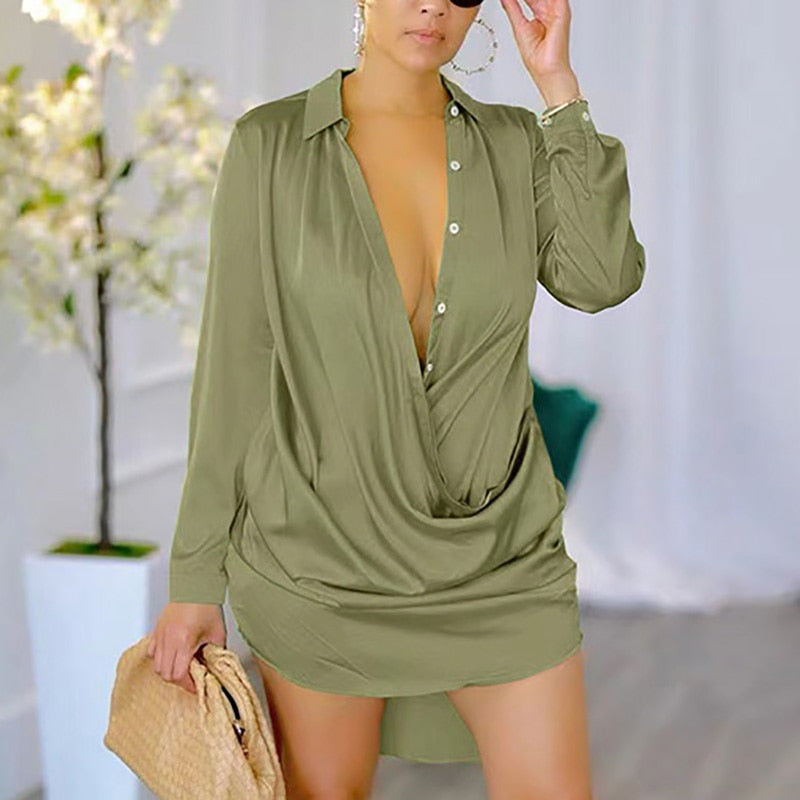
A loose mini dress, tunic, or shirt dress gives you more coverage while staying light enough for warm weather. Look for side slits, an open neckline, or a tie waist so the piece still feels connected to swimwear instead of like a random daytime dress.
This is a smart option for family pools, resort breakfast, or any setting where you want to feel less exposed. Add sneakers for a casual boardwalk look or slides for something cleaner. If the fabric wrinkles easily, save it for a short outing rather than an all-day beach mission.
Shorts and wide-leg pants: the practical upgrade
For a coverup you can actually wear away from the water, lightweight shorts and wide-leg pants win. A matching bikini top with airy drawstring pants creates a coordinated set without looking too formal. High-waisted shorts also work with a bikini top and an unbuttoned shirt for an easy, streetwear-leaning summer fit.
Choose breathable fabrics and check the opacity in daylight. Thin white pants can look great until they get wet. Darker shades, lined styles, and textured fabrics are more forgiving when you are moving between the pool, a rideshare, and wherever the group lands next.
Match the Coverup to Your Swimwear Shape
A little balance changes everything. Triangle bikinis and string bottoms pair well with relaxed shirts, loose pants, or a longer sarong because the added volume keeps the outfit from feeling too bare. Sporty bikinis look natural with boxer-style shorts, nylon track shorts, or a zip-front skirt.
One-pieces are versatile because they can act like a bodysuit. Throw on linen shorts, a wrap skirt, or cargo-inspired pants and you have a real outfit in seconds. If your one-piece has cutouts, keep your coverup more minimal so the details do not compete.
For high-waisted bikini bottoms, try a cropped button-down, short sarong, or open-knit top. The higher waist already creates shape, so you do not need a long, oversized layer unless you want a more relaxed silhouette. For fuller coverage suits, an open-front kimono, sheer duster, or tunic gives movement without adding bulk.
Shoes, Bags, and Extras That Make It Feel Finished
The best coverup styling does not stop at the fabric. Shoes decide whether the outfit reads as poolside or ready for plans. Rubber slides are perfect for a casual pool day, but leather-look flat sandals, espadrilles, or clean low-profile sneakers make the same coverup feel more intentional.
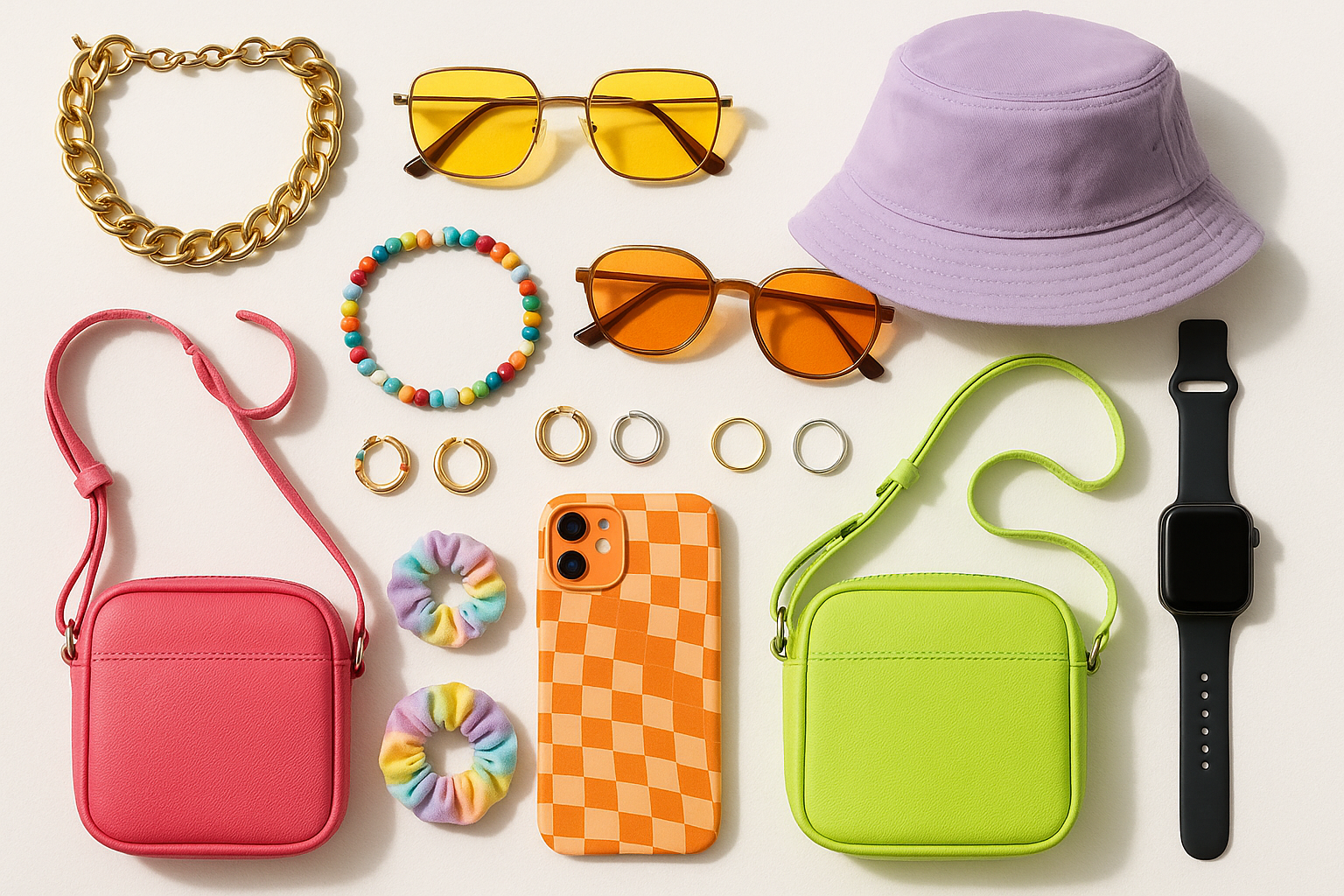
Keep bags functional. A roomy tote handles sunscreen, a towel, and a change of clothes, while a small woven or nylon shoulder bag works for dinner after the beach. If you are carrying a wet suit, bring a separate pouch so your phone and makeup do not become collateral damage.
Jewelry should be low-maintenance around saltwater and chlorine. Small hoops, a simple chain, or waterproof pieces are safer than your favorite high-maintenance accessories. Sunglasses are the easiest finishing touch - sporty wrap frames, rectangular shades, or classic dark lenses can shift the whole mood fast.
Make the Transition From Water to Whatever Is Next
The real test of how to wear swim coverups is whether the look can survive the switch from lounging to leaving. Pack for that moment. A dry pair of underwear, deodorant, a hair clip, and a lightweight layer can make a beach-day outfit feel fresh again without needing a full reset.
If you are going straight to lunch, choose a coverup with enough coverage to sit comfortably and add shoes that can handle walking. For sunset drinks, lean into a sheer maxi, a matching skirt set, or wide-leg pants over a sleek one-piece. A small change like swapping slides for sandals and adding a structured bag can take the outfit from wet hair to worth-the-photo.
Avoid trying to force every coverup into every setting. A barely-there mesh dress is perfect for a pool party, but it may not be the move for a crowded café. Likewise, full-length pants are great for dinner but can feel unnecessary if you are only heading downstairs for a refill. Style works best when it matches the plan.
Your swimwear deserves more than a rushed throw-on. Pick a coverup that fits your vibe, move in it before you commit, and let the details carry the look from first sun to last stop.
0 comments