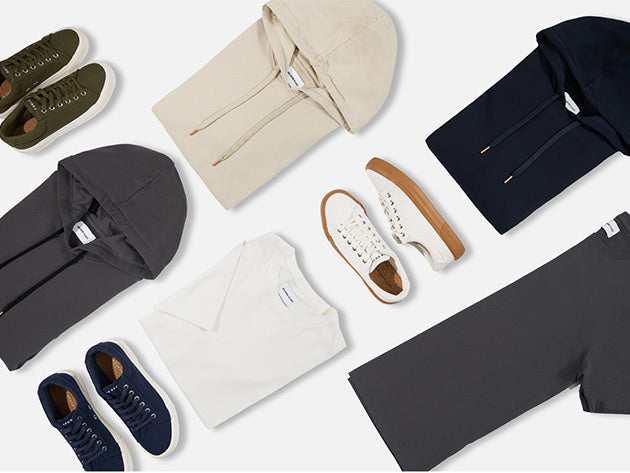
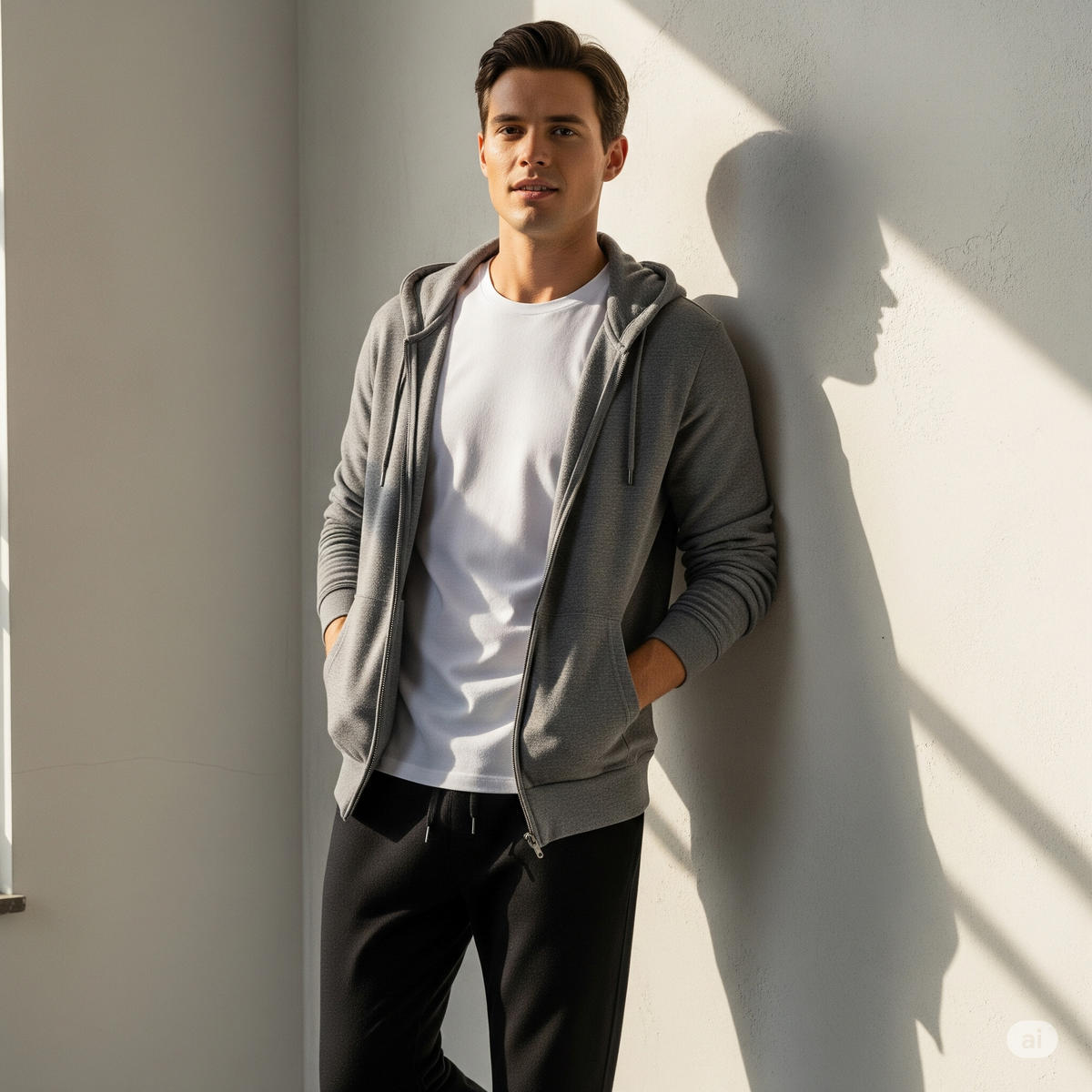



A long day can expose a bad sneaker fast. One hour into a retail shift, a packed campus schedule, or a city day with no real sitting breaks, the wrong pair turns every step into a distraction. The best sneakers for standing should do more than look good in a mirror. They need to support your feet, work with your rotation, and still make the outfit feel intentional.
That does not mean your only option is a bulky shoe that looks like it belongs in a medical supply aisle. Streetwear has room for comfort. The move is knowing which details matter, where style trade-offs show up, and how to choose a pair that can handle real life beyond the fit pic.
What Makes Sneakers for Standing Actually Work?
Standing is different from running. When you run, your foot moves through a quick cycle and the shoe needs to manage impact and forward motion. When you stand for hours, your body is dealing with constant pressure in the heel, arch, forefoot, knees, and lower back. A sneaker can feel soft for five minutes and still leave you cooked by the end of the day.
Start with cushioning that has some structure. Super-soft foam can feel amazing when you first put it on, but if it compresses too easily, your feet may feel like they are sinking by mid-afternoon. Look for a midsole that gives under pressure without feeling flat. A slightly thicker sole is often useful for concrete floors, long commutes, and days where your step count keeps climbing.
Arch support matters too, but it is personal. Someone with flatter feet may prefer a stable, supportive base, while someone with high arches may need more cushioning under the middle of the foot. There is no universal "best" arch shape. What you want is a shoe that keeps your foot from feeling strained or unstable after standing in one spot.
The heel should feel secure, not loose. If your heel lifts every time you walk, your foot works harder to stay in place. A firm heel counter - the structured section wrapping the back of the shoe - can help keep things steady without making the sneaker feel stiff everywhere else.
Choose the Right Cushioning for Your Day
Not every long day looks the same. The sneaker that works for a barista shift may not be the one you reach for at a music festival, and the pair that carries you through a design studio critique may not match your club-ready plans afterward.
For work shifts and hard floors
If you spend hours on tile, concrete, or warehouse-style flooring, prioritize a cushioned midsole and a stable platform. A wider base can make a big difference because it spreads pressure more evenly and reduces that wobbly feeling that happens in narrow, fashion-first soles.
Low-profile court sneakers can look clean with cargos, wide-leg pants, and denim, but many have thin soles and limited shock absorption. They are great for a short link-up, less ideal for an eight-hour shift unless the model has a noticeably padded footbed or you add an insole. Style should not require a post-shift recovery plan.
For campus, commuting, and everyday movement
This is where a versatile lifestyle runner or retro-inspired performance sneaker earns its place. These silhouettes usually bring more foam underfoot than classic skate or court shoes while still fitting naturally into a streetwear wardrobe. Think relaxed denim, track pants, shorts, oversized hoodies, or an activewear set.
A lightweight upper helps when your day includes crowded trains, stairs, walking across campus, and standing in line between everything else. Breathability is not a small detail either. Warm, sweaty feet are more likely to rub and blister, especially when you are on the move all day.
For all-day events and travel
Travel days and festivals call for balance. You need enough cushioning for mileage, but you also need a pair that does not feel too precious to get scuffed. Choose a sneaker with a durable outsole, secure lacing, and a roomy toe box. Feet naturally swell during long days, so a shoe that feels perfectly tight at 9 a.m. can become a problem by dinner.
Save brand-new shoes for a low-stakes outing first. Even a well-designed sneaker needs a break-in period, and no outfit is worth discovering a heel rub halfway through a weekend trip.
The Fit Check That Beats the Hype
A trending colorway can make a sneaker hard to ignore. Still, fit is the part that decides whether it becomes a daily favorite or stays in the box looking expensive. Try sneakers on later in the day when your feet are closer to their fully expanded size. Wear the socks you would realistically pair with them, especially if you rotate crew socks with thicker cushioning.
You want roughly a thumb's width of room between your longest toe and the end of the shoe. Your toes should be able to spread naturally, not press into a narrow point. If the forefoot feels squeezed while standing still, it will not magically improve after six hours.
Walk around, then stand still for a few minutes. Notice whether your heel slips, whether your arch feels like it is being poked, and whether one side of the shoe presses against your pinky toe. Comfort problems rarely stay subtle once you add a full day of movement.
If one foot is slightly larger - which is common - fit the larger foot. Lacing can fine-tune a little extra room on the other side. Do not size down just because a sleek silhouette looks better when it hugs the foot. A clean fit should feel confident, not cramped.
Style Rules for Comfortable Sneaker Rotations
The easiest way to build a standing-friendly rotation is to stop treating comfort sneakers like a separate category from your actual style. The right pair can anchor a look rather than interrupt it.
Neutral runners in white, gray, black, cream, or mixed earth tones are the reliable choice when you want maximum outfit range. They work with denim and a graphic tee, tailored trousers and a cropped jacket, or matching activewear. A darker outsole is especially practical if your days involve rain, public transit, or floors that are not exactly clean.
If your closet leans more skate-inspired, look for a chunkier low-top with a padded collar and a supportive insole. The extra padding keeps the silhouette true to the look while giving your ankles and heel more comfort than a stripped-back canvas shoe. Pair it with baggy jeans, carpenter pants, or long shorts for an easy, current shape.
Want a statement sneaker? Let the color or paneling do the talking, but keep the support features non-negotiable. A bold pair is more wearable when it has enough cushion to become part of your weekly rotation instead of a once-a-month photo moment.
Fashion NetClub's Club Kicks mindset is simple: your sneakers should look current because they are built into your life, not reserved for a shelf.
When an Insole Is the Smart Upgrade
Sometimes you already own the pair that completes every outfit, but it lacks the support needed for long standing. A quality replacement insole can extend its wearability, particularly in sneakers with removable footbeds. This can be a solid option for court shoes, skate silhouettes, and casual leather sneakers that have the visual but not the cushioning.
Insoles are not a fix for every issue. If the shoe is too narrow, too small, or has a heel that slips badly, adding an insole may make the fit worse. Use one when there is enough room in the shoe and you mainly need better arch support or extra padding under the heel and forefoot.
Also pay attention to wear. When the outsole is unevenly worn, the midsole feels packed down, or your feet start aching in a pair that used to feel great, it may be time to retire them from long-standing duty. Keep them for quick errands and bring a fresher pair into the rotation.
A Better Way to Shop for All-Day Pairs
Before choosing, picture the real day you are buying for. Will you stand behind a counter? Walk ten blocks between classes? Be on your feet at an event and still want the fit to hit afterward? That answer narrows the field faster than chasing whatever is trending hardest.
Prioritize cushioning, a secure heel, enough toe room, and a silhouette that fits your wardrobe. Then give the sneaker a real-world test before trusting it with a full shift or a full-day plan. Your best pair will not just survive the hours. It will keep you moving like the day is still yours.
0 comments